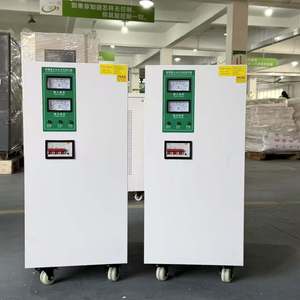
Voltage Regulation
 CEMarked
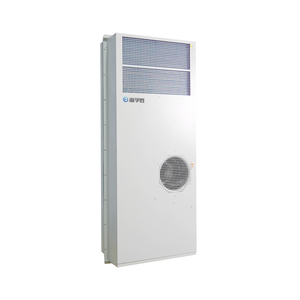
Explore heavy-duty control assemblies, precision automatic voltage regulators, harmonic smoothing reactors, and air handling equipment designed to safeguard industrial pump processes.
A rigorous examination of electrical grid resilience, JIS/JEM compliance, harmonics regulation, and smart factory modernization in Central Japan’s automotive and heavy manufacturing hub.
The Nagoya metropolitan area, anchoring Aichi Prefecture, represents Japan's undisputed powerhouse of automotive manufacturing, precision machinery, aerospace assembly, and chemical processing. In these mission-critical environments, pump control systems are not isolated auxiliary components—they represent the lifeblood of high-pressure die casting cooling circuits, automotive paint booth recirculating systems, automated wastewater neutralizers, and plant-wide hydronic HVAC networks.
Operating in Central Japan requires acute awareness of regional grid characteristics. While Eastern Japan operates at 50 Hz, the Chubu Electric Power grid serving Nagoya distributes electricity at 60 Hz (200V / 400V Class standard). A pump control panel engineered without precise primary and secondary voltage regulation, or one that overlooks 60 Hz saturation dynamics in magnetic flux, faces elevated eddy-current losses, unnecessary core heating, and premature contactor degradation. Our control architectures incorporate custom-wound control transformers and DVDF-tested inductors that provide pristine galvanic separation, ensuring micro-controllers and PLCs remain uncorrupted by heavy switching surges.
Rapid throttling and continuous cycling of process pumps within stamping and machining lines generate severe mechanical and electrical stress. Fluid mechanics dictate that abrupt deceleration creates violent shockwaves—known as water hammer—capable of cracking flanged pipework and destroying mechanical seals. Modern Nagoya facilities mandate pump control panels equipped with advanced programmable soft starters or flux-vector closed-loop VFDs executing specialized S-curve deceleration algorithms.
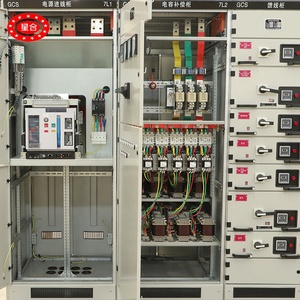
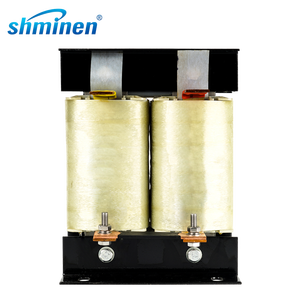
However, running hundreds of inverters creates non-linear harmonic pollution across factory sub-distribution buses. High total harmonic distortion (THDi) causes capacitor overheating, nuisance tripping of residual current devices (ELCBs), and logic errors in automated production robots. By packaging GCK Series Low Voltage Drawout MCC Switchgear with matched line/load reactors rated up to 2500A and DC choke units, we ensure that power distortion remains comfortably below the IEEE 519 and METI harmonic guideline limits (typically under 5% THD).
From Toyota City's robotic assembly clusters to Yokkaichi's petrochemical complexes and Nagoya Port's maritime terminals, our pump panels ensure continuous process uptime.
Aluminum die-casting machines and automated welding cells produce immense heat that requires high-volume closed-loop water circulation pumps operating 24/7/365 without thermal trip-outs.
Located on the Ise Bay littoral plain, coastal pumping stations rely on heavy submersible pumps that must start reliably during typhoons, high tidal surges, and municipal inundations.
Precision electronics and silicon wafer fabrication require continuous, pulsation-free delivery of deionized chemical wash waters, demanding zero pressure variance.
Japanese manufacturing is undergoing structural transitions toward energy carbon-neutrality (GX), Edge-AI predictive diagnostics, and resilient infrastructure against seismic and climate disruptions.
Under Japan’s revised Energy Conservation Act, industrial facilities across Aichi are upgrading fixed-speed induction motors to IE4/IE5 super-premium efficiency systems. Because IE4 motors feature higher locked-rotor current and steeper inrush transients, traditional contactor sizing and thermal overloads will trip spuriously. Our pump panels feature engineered inrush transformers and smart solid-state starters calibrated for IE4/IE5 magnetic curves.
Nagoya plant managers are eliminating unmonitored pump pits. Control panels now serve as localized Edge Gateways. Integrated digital current transformers continuously measure real-time winding temperatures, phase imbalance, and bearing vibration signatures, pushing operational health data to plant-wide SCADA via CC-Link IE, EtherCAT, or MQTT protocols before cavitation causes costly catastrophic pump failure.
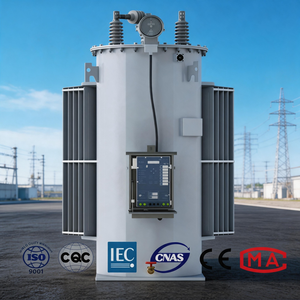
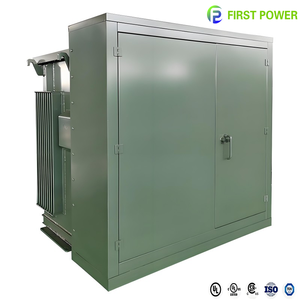
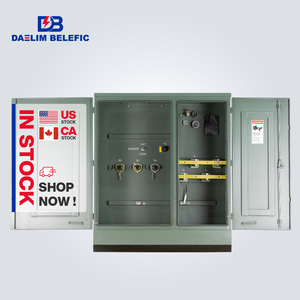
With ongoing regional preparedness for the anticipated Nankai Trough seismic event, municipal water bureaus and manufacturing enterprises require control panels verified for high shock resistance. Our enclosures feature reinforced internal busbar bracing, dual-feed automatic transfer switches (ATS), and seamless integration with backup pad-mounted distribution transformers to ensure zero shutdown during grid disruptions.
Combining over 25 years of electrical engineering heritage with an automated 5,500 m² state-of-the-art manufacturing plant, we perform 100% computerized routine validation on every assembled system.
Automatic computerized test benches verify no-load losses, load current, polarity, and open/short circuit performance under precise simulated electrical load profiles.
Double Voltage Double Frequency testing verifies interlayer and interturn insulation strength, eliminating latent partial-discharge faults before units ship overseas.
Every magnetics assembly undergoes full thermal rise verification using high-resolution IR thermography to ensure winding hotspots never exceed rated insulation classes.
As a key subsidiary of Prima Automation (India) Pvt. Ltd. (operating since 1990), our systems benefit from decades of PC, PLC, SCADA, and hazardous-area panel manufacturing experience.
Detailed technical answers addressing Japanese industrial grid compliance, motor protection, harmonic filters, and international certifications.
Partner directly with an established engineering manufacturer. Whether you require custom-engineered GCK drawout switchboards, high-precision servo stabilizers, or harmonic reactors built for the Nagoya market, our application team provides rapid engineering evaluations and full technical submittals.
Send an Inquiry