 CEMarked CEMarked
Selected high-efficiency electromagnetic assets manufactured in our 5,500 m² computerized facility, fully calibrated for East Africa's environmental, mining, tea processing, and heavy utility networks.
A Comprehensive Engineering Review on Voltage Optimization, Harsh Climatic Derating, Altitude Considerations, and Grid Stability from Mombasa to Nairobi.
The Kenyan national grid operated by Kenya Power and Lighting Company (KPLC) and transmission arm KETRACO predominantly steps down primary transmission voltages from 220kV or 132kV to 33kV sub-transmission and 11kV primary distribution networks.
Supplying OEM high voltage transformers into industrial sites across Athi River, Ruiru, or western sugar mills demands strict compliance with severe voltage fluctuations (+/- 10% to 15%) through specialized Off-Circuit Tap Changers (OCTC) or On-Load Tap Changers (OLTC).
Nairobi (elevation ~1,795m), the Rift Valley highlands (Eldoret ~2,100m, Kericho ~2,000m), and central manufacturing corridors present atmospheric densities significantly lower than standard sea-level testing assumptions.
Under IEC 60076-2 thermal guidelines, ambient temperature rise limits are derated by 2% for every 100 meters above 1,000m elevation. Our OEM manufacturing compensates by widening oil cooling ducts, expanding radiator surface fins, and incorporating Class H (180°C) Nomex insulation systems on dry-type cores.
Kenya experiences intense lightning flash densities throughout the Lake Victoria basin, Kisumu, and the Aberdare region. Standard transformer designs fail prematurely under traveling wave surge fronts caused by atmospheric discharges.
Our custom OEM high voltage distribution units incorporate enhanced Basic Impulse Insulation Levels (BIL) tested up to 75kV peak on 11kV coils and 170kV/200kV on 33kV coils, complemented by double-varnish epoxy impregnation or cast-resin encapsulation.
Custom OEM transformers and power quality gear engineered directly to fulfill specific requirements of major economic sectors across Kenya.
The Kenya Tea Development Agency (KTDA) and leading commercial floriculture packhouses across Naivasha demand uninterrupted 415V/400V 3-phase power. Fluctuating incoming utility feeds cause stator overheating in tea withering fans, CTC (Crush, Tear, Curl) rollers, and cold room compressors.
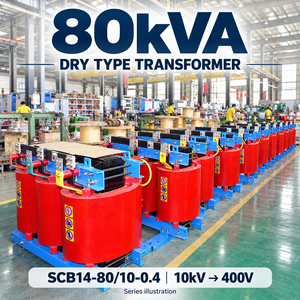
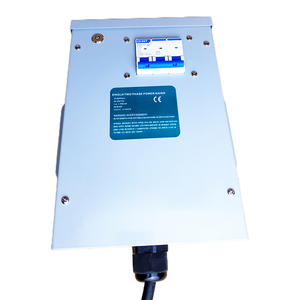
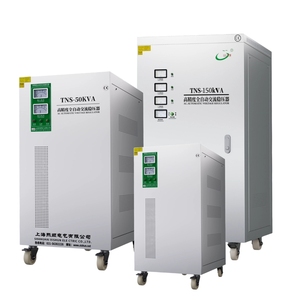
Our 80kVA to 2500kVA dry-type cast resin transformers paired with SVC Automatic AC Voltage Regulators ensure strict 1% output regulation, preventing thermal tripping and protecting process yield without risking transformer oil contamination near food production zones.
Intense non-linear harmonic loads from electric arc furnaces (EAF), high-tonnage roller mills, and container crane variable frequency drives (VFDs) generate significant 5th, 7th, and 11th harmonic distortion across factory buses.
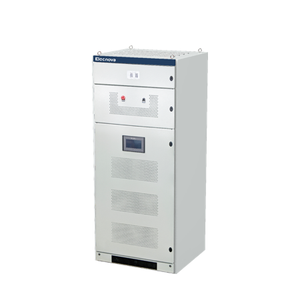
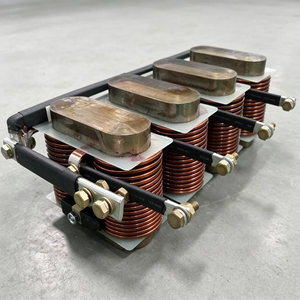
Deploying our Line and Load Reactors (up to 2500A) alongside Active Harmonic Filter Panels (AHF) eliminates total harmonic distortion (THDi < 5%), mitigating transformer core hysteresis overheating, preventing power factor penalties under EPRA billing structures, and extending machine insulation lifespan.
Kenya is a global leader in geothermal energy generation, with Olkaria expanding steadily. However, hydrogen sulfide (H2S) gases and elevated ambient temperatures in the Great Rift Valley accelerate the corrosion of standard copper switchgear contacts and transformer oil decomposition.
We supply custom OEM hermetically sealed oil-immersed transformers with specialized tin/nickel-plated busbars, anti-corrosive polyurethane tank paint coats exceeding C5-M marine/industrial corrosion ratings, and specialized gas pressure relief systems.
With Nairobi rising as the tech capital of East Africa, Tier III data centers and smart city developments in Konza require dry-type transformers with minimal fire risk, zero toxic emission hazards, and low audible noise under 55 dB.
Our Epoxy Cast Resin Dry-Type Transformers (up to 5000kVA) fulfill the highest fire behavior and environmental classifications (F1, E2, C2), ensuring absolute compliance with local building safety regulations and international environmental norms.
Aligning procurement strategies with national policy frameworks, grid decarbonization goals, and regulatory mandates.
The Energy and Petroleum Regulatory Authority (EPRA) has progressively tightened no-load and full-load loss thresholds under the Energy Management Regulations. Procurement officers and consulting electrical engineers can no longer deploy obsolete, high-loss silicon steel units without incurring steep lifetime operational overheads and regulatory scrutiny.
Under the Kenya National Electrification Strategy (KNES) supported by the World Bank, rural mini-grids in Turkana, Garissa, and Marsabit utilize solar-diesel hybrids. OEM step-up transformers must endure non-sinusoidal inverter output waveforms and DC bias, requiring electrostatic shielding between primary and secondary windings.
KETRACO and private EPC contractors are modernizing substations with SCADA protocols (IEC 61850). Modern OEM high voltage transformers in Kenya are specified with integrated PT100 RTD temperature sensors, fiber-optic hot-spot monitoring, electronic winding thermostats, and Modbus/RS485 communication transceivers.
Comprehensive technical specifications designed for direct integration into Kenyan industrial and utility procurement tenders.
| Engineering Parameter | Cast Resin Dry-Type Distribution | Hermetically Sealed Oil-Immersed | Static Power Regulators / SVC |
|---|---|---|---|
| Rated Power Range | 50 kVA to 5,000 kVA | 100 kVA to 10,000 kVA | 50 kVA to 1,000 kVA |
| Primary System Voltage | 10 kV, 11 kV, 33 kV (±2.5%, ±5% taps) | 11 kV, 33 kV, 66 kV | 380V / 400V / 415V (3-Phase 4-Wire) |
| Secondary Voltage | 400V / 415V / 433V (YNd11 or Dyn11) | 400V / 415V Dyn11 / YNd11 | 380V / 400V ±1% Constant Output |
| Insulation Class | Class F (155°C) or Class H (180°C) | Class A Mineral Oil / Ester Fluid | Class H / High-Grade Copper Wound |
| BIL Lightning Surge Level | Up to 75 kV (11kV) / 170 kV (33kV) | 75 kV (11kV) / 200 kV (33kV) | Class II Surge Protection (40kA) |
| Applicable Standards | IEC 60076-11, KEBS KS IEC 60076, CE | IEC 60076-1 to 5, BS 171, KPLC Speclist | IEC 61000-4, CE Directives |
| Cooling Method | AN (Air Natural) / AF (Air Forced) | ONAN / ONAF | Forced Convection / Intelligent Fan |
| Altitude Compensation | Rated for 1,000m to 2,500m ASL | Up-rated Radiator Pack for 2,200m ASL | Continuous full load up to 2,000m ASL |
Backed by over 25 years of specialized precision engineering, integrated testing labs, and industrial automation heritage.
From our expansive industrial base in Santej, Ahmedabad, our production lines feature state-of-the-art automatic coil winding machinery, vacuum pressure impregnation (VPI) autoclaves, precision CNC core slitting lines, and controlled cleanroom casting bays.
Every custom high-voltage unit undergoes exhaustive pre-dispatch verification: Double Voltage Double Frequency (DVDF) induced overvoltage testing, separate source AC withstand, computerized open-circuit and short-circuit loss evaluation, and milli-ohm winding resistance measurement.
As a 100% subsidiary of Prima Automation (India) Pvt. Ltd., our engineering DNA is rooted in building PLC, SCADA, and hazardous-area certified control panels for blue-chip global conglomerates. We design magnetics specifically tailored to protect drives, rectifiers, and automated machinery.
Essential guidance covering Kenya Bureau of Standards (KEBS) certification, port logistics via Mombasa, high-altitude derating, and technical customizations.
Every export shipment to Kenya is subjected to the Pre-Export Verification of Conformity (PVoC) process administered by accredited inspection bodies such as SGS, Bureau Veritas, or Intertek. We provide complete factory routine test certificates, type test dossiers adhering to KS IEC 60076 standards, and CE compliance documentation to ensure immediate issuance of the Certificate of Conformity (CoC) for seamless clearance through the Kenya Revenue Authority (KRA) at the Port of Mombasa or ICD Embakasi in Nairobi.
For standard Kenyan 11kV distribution lines, our custom OEM transformers are designed with primary voltage tappings of ±2.5% and ±5% (e.g., 11.55kV, 11.275kV, 11kV, 10.725kV, and 10.45kV) operated via a lockable Off-Circuit Tap Switch. For regions suffering chronic under-voltage, we engineer wide-range tap changers or On-Load Tap Changers (OLTC) capable of maintaining 400V/415V secondary line-to-line output even when line voltages drop severely.
Yes. When deploying at elevations above 1,000 meters (such as Nairobi at ~1,800m, Kericho at ~2,000m, or Eldoret at ~2,100m), lower air density decreases convective cooling efficiency and dielectric withstand strength. We design custom high-elevation units featuring lower flux density, oversized radiators or enhanced ventilation enclosures (IP21 to IP33 with forced air), and increased clearance between live phases to guarantee zero thermal de-rating during peak operational cycles.
Cast resin dry-type transformers are the superior choice for indoor substations, shopping malls, high-rise developments, tea processing plants, and food packaging facilities where oil leakages, soil contamination, and fire hazards are forbidden. Oil-immersed units (hermetically sealed) remain cost-effective for outdoor pole-mounted rural distribution or heavy outdoor industrial sub-stations, provided they are equipped with appropriate bund walls and oil-containment sumps.
Custom OEM distribution transformers (up to 2,500kVA) typically have an engineering and manufacturing timeline of 3 to 5 weeks. Shipping from Mundra or Nhava Sheva ports in Western India to the Port of Mombasa boasts direct maritime connectivity with transit times of just 12 to 16 days. For expedited project schedules, sea-air multimodal logistics can be coordinated.
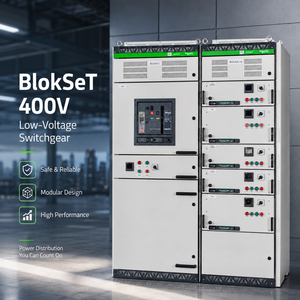
Yes. As an integrated electrical engineering powerhouse, we manufacture fully matched low-voltage switchgear panels (up to 150kA breaking capacity), 300A Active Harmonic Filters (AHF), line/load reactors for variable speed drives, and Servo/Static Voltage Regulators (SVC). This one-stop system compatibility ensures your facility eliminates nuisance tripping, suppresses motor heat, and avoids reactive power surcharges.