
Uncompromised Safety
Delivering robust positive-pressure containment and intelligent control logic to eliminate atmospheric ignition risks across global chemical, offshore, refinery, and mining operations.
 CEMarked
Years of integrated industrial automation, hazardous-area panel fabrication, and precision magnetic engineering expertise.
A pressurized control panel (also termed an Ex p purged enclosure) represents the most versatile and cost-effective explosion protection method for electrical distribution, PLC automation, SCADA systems, and motor drive packages located in potentially flammable or explosive atmospheric zones. Founded on the fundamental principles defined by NFPA 496, IEC 60079-2, and EN 60079-2 standards, pressurization prevents the ingress of surrounding explosive gases, vapors, or combustible dust by sustaining an internal positive protective gas pressure (clean instrument air or inert gas such as nitrogen) higher than the external atmosphere.
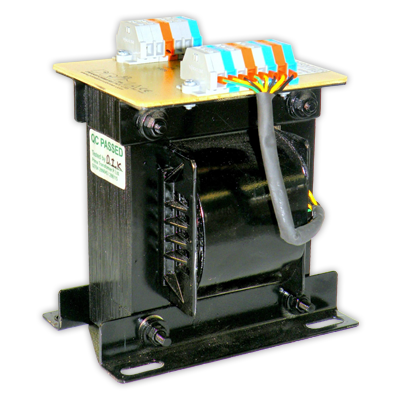
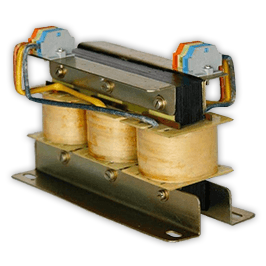
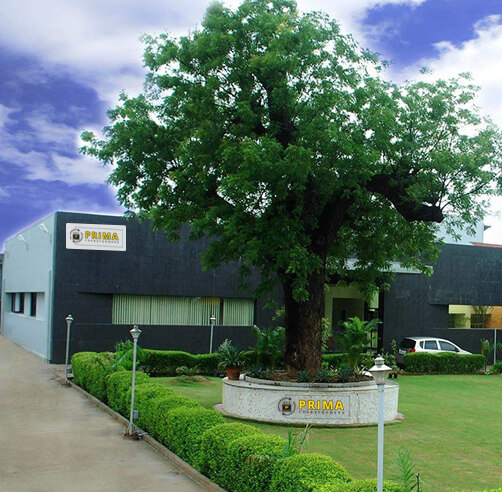
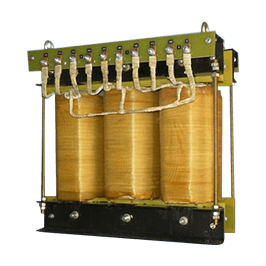
Prima Transformers Pvt. Ltd. was established in 2006 as a 100% subsidiary of Prima Automation (India) Pvt. Ltd., whose legacy spans back to 1990 in manufacturing PC, PLC, and SCADA-based control panels alongside customized flameproof (Ex d), intrinsically safe (Ex i), and pressurized (Ex p) panels for demanding industrial environments. Located in a specialized 5,500 m² production and testing plant in Santej, Ahmedabad, our combined engineering heritage allows us to design complete, turn-key pressurized control systems. We match in-house engineered isolation transformers, line reactors, harmonic suppression, and power supplies directly with advanced automatic purge controllers, relief valves, and precision seal-welded stainless steel (SS316L/SS304) enclosures.
Delivering robust positive-pressure containment and intelligent control logic to eliminate atmospheric ignition risks across global chemical, offshore, refinery, and mining operations.

Providing high-density thermal modeling, harmonic containment, and seamless automation hardware integration so end users can deploy general-purpose automation equipment within classified hazardous zones.

Maintaining strict adherence to international electrical codes, CE marking directives, computerized structural leak-rate testing, and comprehensive traceability for every fabricated unit.
Eliminate the massive weight, dimensional limitations, and cost barriers of traditional cast-iron flameproof explosion-proof boxes. Our Ex p purged control panels support large-format human machine interfaces (HMIs), modern PLCs, active variable speed drives, and custom distribution transformers.
Engineered for Zone 1, Zone 2, Class I Division 1, and Class I Division 2 locations with full mechanical and electrical synergy.
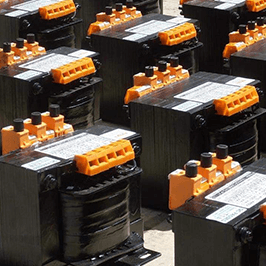
Reduces Division 1 / Zone 1 to unclassified. Features automatic power trip interlocking upon loss of protective differential pressure.
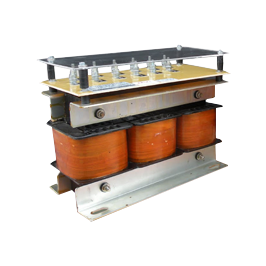
Reduces Division 1 / Zone 1 classification to Division 2 / Zone 2. Accommodates certified non-incendive and Division 2 rated components.
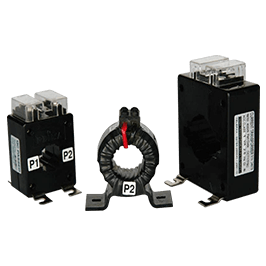
Reduces Division 2 / Zone 2 environments to safe area. Provides immediate visual and acoustic safety alarms on differential pressure drop.
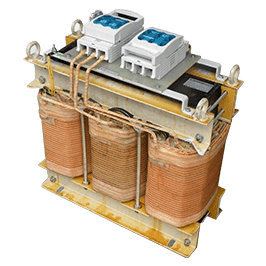
Equipped with continuous dilution flow cooling, heat exchangers, and input line reactors to safeguard variable speed motor controls.
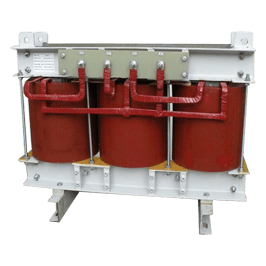
High-capacity motor control centers with modular cubicles, isolated busway chambers, and multi-channel purge logic monitoring.
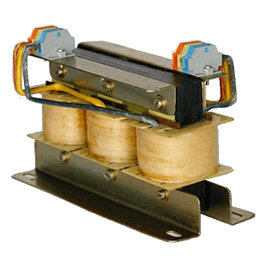
Built-in full viewing windows, surface capacitive touch interfaces, intrinsic barrier channels, and industrial ethernet communications.
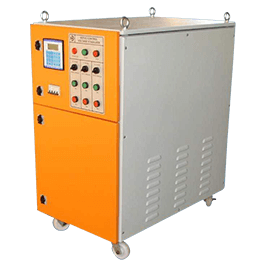
Specialized for gas chromatography and online gas analyzers containing internal sources of flammable gas release, preventing ignition.
Heavy-gauge SS316L stainless steel enclosures with IP66 environmental sealing, anti-vibration framing, and dual redundant purge valves.
Understanding protection levels, automatic interlock mechanics, and certification standards to specify the optimal pressurized control panel.
| Designation / Protection Code | External Classified Environment | Internal Equipment Rating | Action on Pressure Drop (<0.50 mbar / 0.10" wc) | Purge Volume Exchange Cycle | Target Applications |
|---|---|---|---|---|---|
| Type X (Ex px / pxb) | Class I Div 1 / Zone 1 (Continuous or high hazard) | General Purpose / Non-rated commercial hardware | Instant automatic power isolation via certified safety relay interlocks | Minimum 4 to 10 volume exchanges (gas) before power re-energization | Main PLC cabinets, drive systems, soft starters, standard operator interfaces |
| Type Y (Ex py / pyb) | Class I Div 1 / Zone 1 (High hazard) | Division 2 / Zone 2 certified apparatus | Visual/audible alarm only; immediate power cutoff not mandated | Volume exchange purge cycle before initial start-up | Sub-distribution boards, specialized instrumentation with existing Zone 2 rating |
| Type Z (Ex pz / pzc) | Class I Div 2 / Zone 2 (Abnormal hazard presence) | Standard unrated industrial equipment | Acoustic alarm and beacon indicator activation; system stays energized | Minimum 4 volume exchanges of enclosure internal net air volume | SCADA terminals, remote I/O junction enclosures, analytical instruments |
| Dust Pressurization (Ex pD) | Zone 21 / Zone 22, Class II Div 1 / Div 2 (Combustible dusts) | Standard general purpose equipment | Pressure loss alarm or interlock depending on internal division boundary | Pressure equalization without prior purging (dust must be physically removed) | Grain handling, pharmaceutical milling, chemical powder blending, coal silos |
All Prima pressurized panels are engineered in accordance with IEC 60079-2, NFPA 496, EN 60079-14, and ATEX Directive 2014/34/EU, ensuring worldwide regulatory approvals.
For decades, electrical project engineers defaulted to heavy, cast-aluminum or cast-iron flameproof "Ex d" enclosures when deploying electrical hardware into classified hazardous environments. However, contemporary process automation demands computational density, large touch-sensitive HMI displays, high-speed networking, and high-efficiency variable frequency drives. These components create severe technical limitations inside traditional flameproof enclosures:
At Prima, our panel engineering team conducts 3D Computational Fluid Dynamics (CFD) modeling to map velocity vectors and heat dissipation profiles inside every pressurized control panel. By carefully locating purge gas entry diffusers, internal circulation fans, and automatic exhaust spark arrestors, we guarantee:
Key technological advancements transforming hazardous location automation procurement through 2026–2030.
Next-generation Ex p control units are replacing analog pressure switches with microprocessor-driven sensors that stream digital telemetry (flow rate, chamber pressure, internal relative humidity, and seal degradation trends) via Modbus TCP/IP, PROFINET, or OPC UA to central DCS platforms for predictive maintenance.
With global investments surging in green hydrogen generation, electrolysis, and ammonia synthesis, procurement demand is shifting toward Group IIC hydrogen-rated Ex p panels. These systems feature ultra-sensitive low-density leakage compensation, specialized elastomeric gaskets, and rapid exhaust purging to handle light, volatile gases.
Traditional purge units consume continuous compressed air, driving high lifecycle operational costs. Modern smart leakage compensation designs drop air consumption by up to 80% once the initial purging phase completes, holding internal pressure with precision micro-metering valves and zero-leak robotic gasket sealing.
Combining heavy sheet metal fabrication, laser cutting, automated polyurethane foam gasket dispensing, magnetic winding, and computerized hazardous-area testing under one roof.
Essential engineering parameters required to eliminate RFQ delays and achieve flawless compliance.
Clarify whether the site falls under ATEX/IECEx Zones (Zone 1, Zone 2, Zone 21, Zone 22) or North American NEC 500 / NEC 505 Class/Division rules (Class I Div 1 / Div 2). Identify the Gas Group (IIA, IIB, IIB+H2, or IIC) and Temperature Class (T3, T4, T5, or T6) to determine exterior surface temperature limits.
Every active watt dissipated internally must be calculated. Variable speed drives, power supplies, transformers, and reactors generate significant heat that cannot escape through simple convection in high-ambient regions (e.g., Middle East 55°C design ambient).
Ensure the facility provides an uninterrupted, dry, oil-free compressed air source (ISO 8573-1 Class 2.4.1 or better) or nitrogen manifold at sufficient supply pressure (typically 4.0 to 8.0 bar) and flow capacity to sustain the initial purge sequence.
Select enclosure metallurgy matched to site ambient conditions. While powder-coated mild steel is suitable for indoor battery or chemical plant rooms, coastal marine and offshore drilling platforms necessitate electro-polished 316L stainless steel.
Our control panels, transformers, and industrial automation assemblies operate reliably across major engineering projects worldwide.






















Under NFPA 496 and IEC 60079-2 guidelines:
Type X (Ex px): Reduces internal enclosure classification from Division 1 / Zone 1 to non-hazardous. Because unrated sparking electrical components are permitted inside, the purge control system must automatically trip main incoming electrical power via interlocked contactors if protective differential pressure drops below safe threshold (typically <0.50 mbar / 0.10" wc).
Type Y (Ex py): Reduces internal enclosure classification from Division 1 / Zone 1 down to Division 2 / Zone 2. Equipment inside must be certified for Division 2 / Zone 2. Consequently, a loss of pressure does not mandate immediate power cutoff; visual/audible alarms alert operators to safe maintenance procedures.
Type Z (Ex pz): Reduces internal classification from Division 2 / Zone 2 to non-hazardous. Loss of positive pressurization requires only an immediate alarm beacon or DCS warning, allowing continuous plant operation until orderly intervention is arranged.
Pressurized control panels provide up to 75% total weight savings compared to heavy cast-iron or sand-cast aluminum explosion-proof enclosures. They eliminate severe space restrictions, allowing users to house high-density PLC racks, full-size computer displays, touchscreens, and large variable speed drives. Furthermore, Ex p enclosures eliminate the extreme heat trapping common to Ex d boxes, utilizing air dilution or Ex heat exchangers for reliable thermal regulation, all while dramatically simplifying installation and maintenance access.
The standard and most economical protective gas is clean, dry, instrument-grade compressed air conforming to ISO 8573-1 Class 2.4.1 (free from oil, particulates, and moisture down to -40°C pressure dew point). When the electrical enclosure houses gas analyzers with internal containment piping that releases flammable hydrocarbons, or where components are susceptible to oxidation, dry inert nitrogen (N2) is specified to ensure the atmosphere inside remains below combustible limits.
Effective thermal management depends on total equipment wattage and ambient conditions. Methods engineered by Prima include: 1) Continuous dilution purge flow, where excess clean compressed air passes across heatsinks before escaping through calibrated relief vents; 2) Closed-loop air-to-air or air-to-water heat exchangers that isolate internal air from the hazardous atmosphere; 3) Vortex cooling tubes; or 4) Certified Ex-rated closed-loop air conditioners mounted directly to the panel wall.
To receive a rapid, accurate engineering proposal, buyers should supply: 1) Area classification (ATEX/IECEx Zone 1 or 2, or NEC Class I/II Div 1 or 2), Gas Group (e.g., IIB+H2), and T-Class rating; 2) Type of purge desired (Type X, Y, or Z); 3) Enclosure material (304 or 316L Stainless Steel, or Mild Steel) and approximate dimensions; 4) Total electrical heat dissipation in Watts; 5) Compressed air or nitrogen supply details; and 6) Internal component bill of materials (PLCs, drives, power transformers, HMIs, and terminal densities).