 CEMarked CEMarked
Engineered for upstream petrochemical automation, continuous water desalination plants, and harsh coastal substation installations across Kuwait.
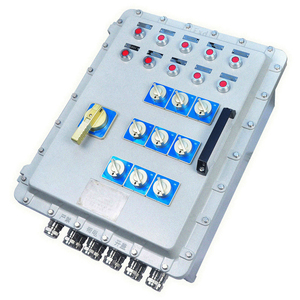
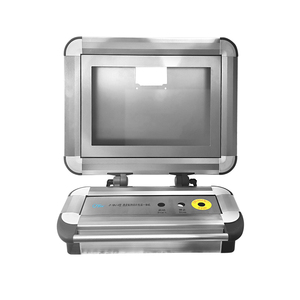
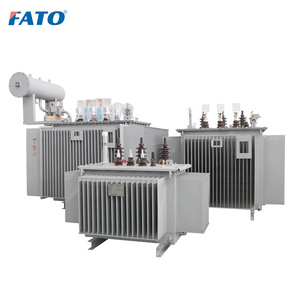
Strategic considerations for process engineers, EPC contractors, and automation integrators operating in GCC desert conditions.
Deploying industrial automation control cabinets and electrical switchgear in Kuwait presents distinct engineering obstacles seldom addressed by generic off-the-shelf assemblies. With ambient dry-bulb temperatures regularly exceeding 52°C during summer, solar radiation loads pushing enclosure surface values above 75°C, and ubiquitous fine particulate sand (haboob conditions) combined with airborne maritime chlorides along the Arabian Gulf, electrical systems demand specialized ruggedization. As a premier manufacturer supplying the Kuwait market, our automation cabinets and magnetics conform to the stringent regulatory landscape established by the Ministry of Electricity & Water & Renewable Energy (MEW), Kuwait National Petroleum Company (KNPC), and Kuwait Oil Company (KOC).
Direct exposure to Arabian Gulf solar flux causes extreme heat accumulation inside control cubicles. Standard ventilation fans with basic louvers fail due to rapid sand clogging, resulting in high internal temperatures that degrade PLC processors, I/O modules, variable frequency drives (VFDs), and sensitive switchgear.
From Mina Al-Ahmadi to the Shuaiba petrochemical complex, automation cabinets routinely manage safety loops in classified hazardous areas containing flammable hydrocarbons, sour crude gases, and explosive gas mixtures (Zone 1 and Zone 2, Gas Groups IIA, IIB, and IIC).
Aligning modern cabinet engineering with "New Kuwait Vision 2035" and industrial digital transformation.
With projects like Az-Zour North and Doha expansion focusing on SWRO efficiency, control cabinets now integrate high-density Ethernet/IP, Profinet, and dual-redundant PLC architectures for continuous multi-stage pump sequencing and energy recovery automation.
Kuwait's upstream oil assets are pivoting toward autonomous operations. Control panels are increasingly populated with vibration analysis modules, infrared busbar thermal sensors, and cloud-ready IoT edge gateways, allowing remote monitoring without exposing secure SCADA layers.
Projects like the Shagaya Renewable Energy Park require ruggedized hybrid control panels capable of balancing intermittent solar capacity with synchronous grid generation, mandating static voltage stabilizers and low-loss dry-type magnetics.
Backed by over 35 years of industrial panel building and electromagnetic engineering expertise.
Founded on a rich heritage of industrial automation—including PC, PLC, and SCADA-based safety control panels, hazardous area enclosures, and high-spec magnetics—we understand both the control software and the physical power delivery layers.
Our expansive production facility houses precision CNC fabrication, automated winding halls, vacuum pressure impregnation (VPI) units, and environmental test chambers capable of replicating 55°C desert climates.
Every automation cabinet and transformer undergoes automated open/short circuit analysis, DVDF induced overvoltage evaluation, insulation resistance testing (Megger), and full functional loop testing prior to export dispatch.
Clear answers regarding standards, logistics, hazardous area classifications, and technical specs.
Yes. Our control cabinets, junction boxes, and distribution magnetics are custom-engineered to meet the precise material and testing requirements of Kuwait’s primary utility and energy operators. This includes 316L stainless steel enclosure options, copper busbar de-rating for 50°C/55°C ambient, IP66 sealing against desert sand ingress, and ATEX/IECEx certifications for classified refinery plants.
Depending on the deployment area (indoor substation vs. direct desert exposure), we implement closed-loop air conditioners with anti-corrosion coil coatings, dual-thermostat internal fans, insulated cabinet walls, and sunshade canopies. We also perform precise thermal load calculations ensuring all active electronics operate safely below their maximum rated junction temperatures.
Yes. Through our integrated facilities, we provide comprehensive packaged solutions: primary power transformers (up to 5000kVA), input/output VFD reactors, harmonic filters, and integrated PLC/SCADA control cabinets. This guarantees single-source accountability, matched impedance levels, and seamless Factory Acceptance Testing (FAT).
Every dispatch includes a comprehensive technical file containing full computerized routine test certificates (winding resistance, insulation resistance, double voltage double frequency tests), CE Declarations of Conformity, dimensional GA drawings, wiring schematics, and, where applicable, third-party ATEX/IECEx certificates verified by notified bodies.
Standard custom control cabinets and standard magnetics are typically manufactured and fully tested within 4 to 8 weeks following engineering drawing freeze. Sea freight to Shuwaikh or Shuaiba Port generally requires 10 to 18 days transit, packed in sea-worthy, desiccated, fumigated timber crates suited for harsh maritime transport.
Connect directly with our technical team to discuss project requirements, schematics, FAT timelines, and competitive factory-direct pricing.