
Our Mission
Deliver verified, high-reliability intrinsically safe panels and integrated magnetics to process operations globally, prioritizing human life, plant uptime, and total regulatory compliance.
 CEMarked
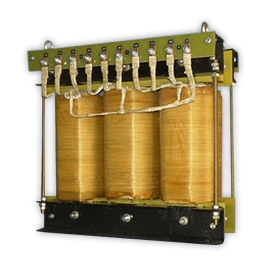
Years of specialized hazardous-area engineering, PLC/SCADA integration, and power magnetic design.
In process plants handling volatile hydrocarbons, combustible chemical vapors, dynamic pharmaceutical dusts, and explosive atmospheres, equipment integrity is paramount. An intrinsically safe control panel (Ex i) is an engineered electrical assembly that restricts electrical energy, spark potential, and surface temperature under both normal duty and double fault conditions. Unlike explosion-proof enclosures that contain violent internal explosions, intrinsic safety eliminates ignition risks at the component and circuit level.
Through our parent company, Prima Automation (India) Pvt. Ltd. (incorporated in 1990), and specialized manufacturing at Prima Transformers Pvt. Ltd. (incorporated in 2006), our engineers combine decades of real-world field expertise. From flameproof and purged systems to certified intrinsically safe panels, our multidisciplinary team manufactures reliable hardware for over 45 industrial OEMs worldwide. Our combined focus guarantees galvanic isolation, optimized thermal dissipation, low capacitive leakage, and electrical isolation across hazardous boundaries.
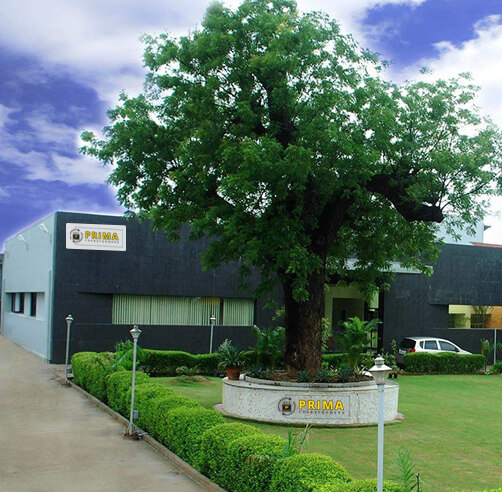
Every intrinsically safe system we engineer reflects deep industry expertise, rigorous quality control, and zero-compromise safety design.
Deliver verified, high-reliability intrinsically safe panels and integrated magnetics to process operations globally, prioritizing human life, plant uptime, and total regulatory compliance.

Serve as the benchmark engineering partner for hazardous area automation, connecting field devices to enterprise SCADA platforms without compromising explosion protection.

Uncompromising compliance verification, computerized factory acceptance testing, continuous R&D innovation, and transparent technical collaboration with engineering teams worldwide.
From Zone 0 offshore installations to Class I Div 1 chemical synthesis lines, we engineer turnkey control panels featuring galvanically isolated barriers, high-efficiency power supplies, and certified clean wiring layouts.
Field-proven topologies built with certified isolation barriers, integrated magnetics, and certified enclosures for complex process requirements.
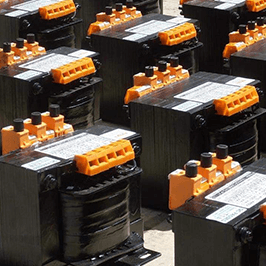
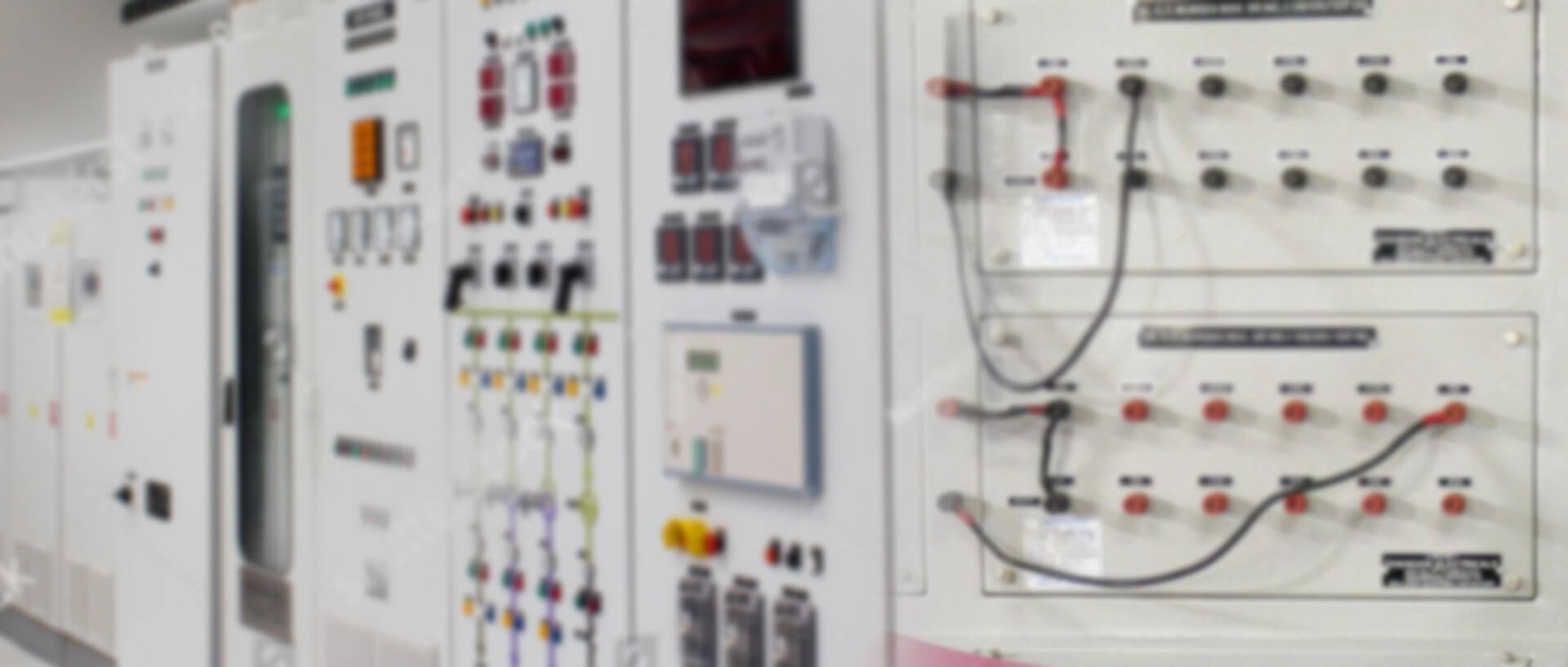
Redundant PLC architecture with integrated intrinsically safe barrier racks for continuous petrochemical monitoring.
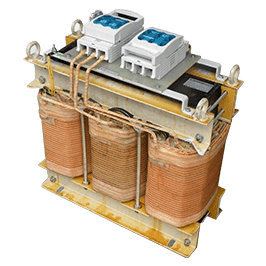
High-density remote field terminal enclosures with 3-port galvanic isolation, eliminating ground loop current spikes.
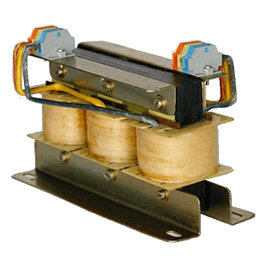
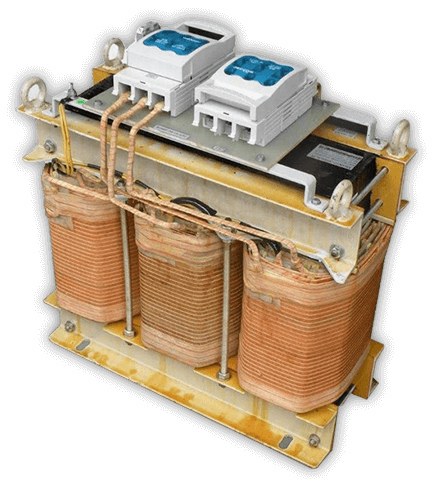
Combined explosion-proof housing with intrinsically safe operator stations and integrated load reactors up to 2500A.
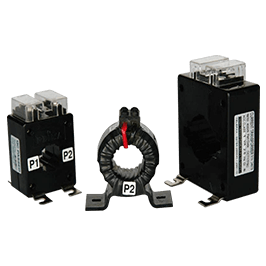
Dedicated blue-terminal cross-wiring cabinets separating hazardous inputs from safe-area distributed control systems.
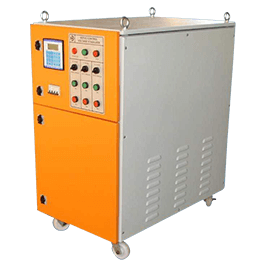
Positive-pressure NEMA 4X / IP66 enclosures combined with intrinsic safety switches for continuous toxic-gas service.
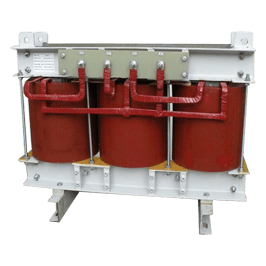
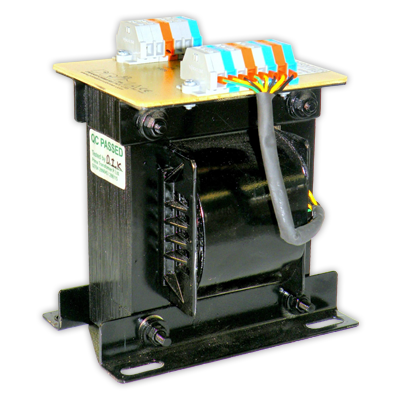
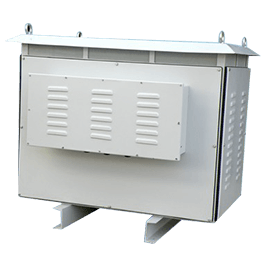
Non-ventilated cast resin dry-type transformers providing isolated, low-capacitance power to critical plant panels.
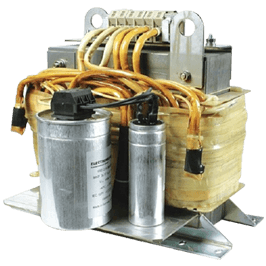
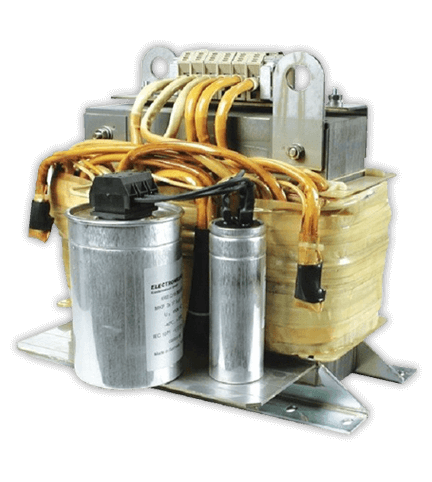
Integrated sine wave and harmonic filters up to 500HP preventing high-frequency noise injection into sensitive 4-20mA loops.
316L stainless steel operator interfaces engineered with intrinsically safe pushbuttons, pilot lights, and digital readouts.
Key technical parameters to help design engineers determine appropriate explosion-protection architectures.
| Protection Standard | Core Safety Mechanism | Panel Enclosure Type | Live Maintenance Allowed? | Primary Industrial Application |
|---|---|---|---|---|
| Intrinsic Safety (Ex i / Ex ia / Ex ib) | Limits electrical energy (V, I) & thermal energy below ignition threshold | Lightweight NEMA 4X / IP66 sheet steel or 316L SS | Yes (without gas-free permit or hot work permit) | Sensors, transmitters, solenoids, remote I/O, instrumentation |
| Flameproof / Explosion-Proof (Ex d) | Contains and cools internal explosion through heavy flame paths | Heavy cast aluminium or cast iron with bolted covers | No (requires plant de-energization or hot work permit) | Switchgear, high-power motors, transformers, circuit breakers |
| Purged / Pressurized (Ex p / Type X, Y, Z) | Maintains continuous positive inert gas/air purge against gas ingress | Sealed fabricated enclosure with automatic pressure interlocks | Conditional (only while positive purge pressure is maintained) | Complex multi-drive cabinets, large non-certified analyzer computers |
| Increased Safety (Ex e) | Prevents arcs, sparks, and excessive temperatures on internal gear | Engineered ingress-protected metal enclosures with certified creepage | No (spark-generating components prohibited) | Terminal junction boxes, lighting panels, squirrel cage motors |
*Note: For hybrid process skids, Prima commonly manufactures combined panels where main power is routed through Ex d or Ex e compartments, while control circuits utilize certified Ex [ia] galvanic isolation.
Essential market, regulatory, and technological transitions transforming industrial automation procurement.
The rapid emergence of Ethernet-APL (Advanced Physical Layer) is changing hazardous instrumentation. Procurement teams are moving away from traditional 4-20mA HART loops in favor of 10 Mbit/s fieldbus communication over single twisted-pair cabling directly into Zone 0/1. Future intrinsically safe panels must support APL power switches and field switches with strict entity compliance.
Procurement teams are moving away from passive Zener barriers to compact, DIN-rail mounted galvanic isolators. Zener diode barriers require an independent, dedicated safety ground network (<1 Ohm impedance) to ensure safety. Galvanic isolators eliminate this grounding complexity, stop industrial noise transmission, and prevent ground loop issues.
High switching frequencies from modern VFDs generate common-mode electrical noise that can interfere with sensitive intrinsic safety loops. Engineering specifications now demand customized control transformers with internal electrostatic shields, along with dedicated line/load reactors to protect barrier circuits from false tripping.
Engineering workflows are standardizing on automated digital twin validation for loop entity parameters (Ui vs Uo, Ii vs Io, Pi vs Po, Ci + Ccable vs Co, and Li + Lcable vs Lo). System integrators increasingly choose manufacturers capable of generating automated CAD wiring schematics and digital compliance records prior to physical assembly.
Combining 35+ years of control panel automation experience from Prima Automation (India) Pvt. Ltd. (est. 1990) with the manufacturing footprint and magnetic engineering capacity of Prima Transformers Pvt. Ltd. (est. 2006).
Our control panels, automation architectures, and magnetics operate in demanding installations worldwide.















Key technical details addressing international procurement and engineering considerations for intrinsic safety.
An explosion-proof (Ex d) enclosure is constructed with thick, heavy metallic walls designed to contain an internal explosion and cool escaping gases through precision flame paths, preventing external atmospheric ignition. By comparison, an intrinsically safe control panel restricts available electrical energy (voltage, current) and thermal heat within the hazardous field circuit. Because spark energy remains below the Minimum Ignition Energy (MIE) of the surrounding gas or dust mixture, ignition cannot take place, allowing live maintenance without hot work permits.
Intrinsic safety entity parameter matching is defined by IEC/EN 60079-14 and NEC Article 504. The associated apparatus (barrier) parameters must align with field device and interconnecting cable ratings:
Our engineering team verifies cable lengths, core construction, and equipment capacitance to provide comprehensive loop entity calculations for every panel project.
Zener barriers divert fault energy to ground via high-speed shunt diodes, requiring an ultra-low impedance safety earth bond (< 1.0 Ohm) maintained from the panel to the plant grounding grid. If this ground path deteriorates, intrinsic safety is compromised. Galvanic isolators provide physical isolation using optocouplers or high-frequency transformers. They eliminate the dedicated safety ground requirement, prevent ground loop noise on 4-20mA signals, and allow extended field wiring lengths.
Global export intrinsically safe panels comply with harmonized international benchmarks:
Drawing on the control panel experience of Prima Automation (India) Pvt. Ltd. (since 1990) and our modern 5,500 m² magnetics facility, we manufacture custom-engineered packages. This includes combining ultra-low-noise CE-marked control transformers, electrostatic shielding, and line/load reactors up to 2500A. This integrated design mitigates grid harmonics, stabilizes secondary control voltages, and protects sensitive barrier modules from common-mode voltage spikes.