 CEMarked CEMarked
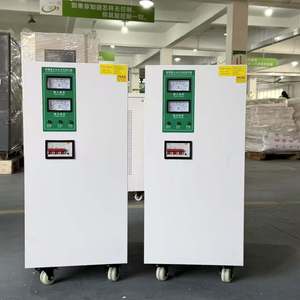
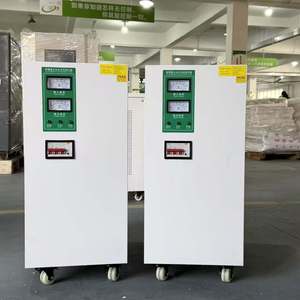
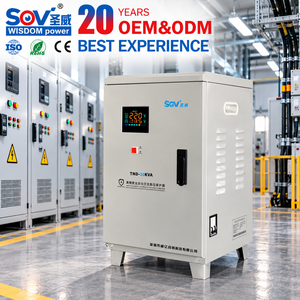
Heavy-duty, high-precision automatic voltage regulators (AVR) built with pure electrolytic copper coils, rugged servo drives, and solid-state microprocessor controls.
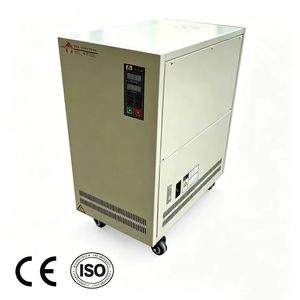
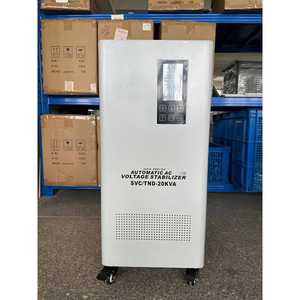
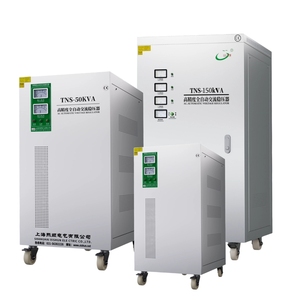
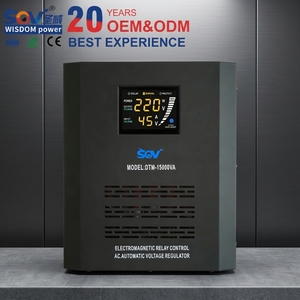
Modern automated fabrication, precision CNC multi-axis milling, semiconductor photolithography, robotic welding, and automated continuous extrusion processes operate with high-speed microcontrollers that demand rigorous electrical tolerances. According to IEEE 1159 and EN 50160 power quality standards, continuous operational supply must maintain within strict nominal parameters. However, in rapid-growth industrial corridors across Latin America, Southeast Asia, the Middle East, and Eastern Europe, utility grids suffer from unbalanced sub-station loads, high transient switching spikes, and severe voltage dips (brownouts) spanning -30% to +25% of nominal values.
Operating sensitive equipment under raw electrical fluctuation induces severe mechanical stresses, misregistration on optical encoders, high motor winding temperatures, nuisance tripping of Variable Frequency Drives (VFDs), and irreversible dielectric breakdown in power semiconductors. Sourcing an industrial-scale voltage stabilizer from an engineering-first Chinese exporter offers a robust solution that balances extreme mechanical ruggedness, microsecond correction response, and cost efficiency.
Choosing an industrial voltage stabilizer requires a detailed understanding of the mechanical, thermal, and electronic divergence between standard configurations. The table below delineates the operational parameters critical to electrical engineers and technical procurement teams:
| Stabilizer Architecture | Correction Speed | Efficiency Rating | Surge & Overload Margin | Best Suited Operational Environment |
|---|---|---|---|---|
| SBW Heavy-Duty Column Servo | 15V - 40V per second | > 98.0% | 200% for 60 seconds | Heavy industrial CNC cells, automotive plants, complete factory main incomers, textile mills. |
| SCR / IGBT Solid-State Static Stabilizer | < 20 milliseconds | > 97.5% | 150% for 10 seconds | Medical imaging (MRI, CT scans), data center UPS banks, high-speed automated packaging, server rooms. |
| Contactless Magnetic Induction (Magnetic Core) | Moderate (30-50 ms/V) | > 96.5% | 300% for 10 seconds | Corrosive environments, remote mining quarries, offshore oil & gas platforms, hostile foundry setups. |
| SVC High-Precision Rotary Servo | 25V per second | > 95.0% | 150% for 30 seconds | Laboratory instruments, commercial refrigeration, distributed telecommunication huts, light factory lines. |
The global procurement market for industrial electrical equipment has evolved beyond basic terminal voltage adjustment. Over the next five to ten years, purchasing directors are prioritizing dynamic efficiency, modular repairability, and operational intelligence:
Modern international projects require stabilizers equipped with integrated RS-485 Modbus, Profibus, or Ethernet TCP/IP. Procurement teams increasingly demand remote dashboards capable of recording harmonic distortion (THD), phase-to-phase imbalances, real-time winding thermal rises, and maintenance alarms.
Driven by EU EcoDesign directives and global net-zero mandates, modern operations prioritize high-efficiency electrical infrastructure. Procuring stabilizers constructed with cold-rolled grain-oriented (CRGO) magnetic silicon steel sheets significantly reduces core losses during continuous 24/7/365 run cycles.
Standalone voltage regulation is no longer procured in isolation. Engineering specifications consistently demand consolidated enclosures that incorporate galvanic isolation transformers, class B/C transient surge protection devices (SPDs), dynamic active harmonic filters, and automated bypass contactors.
The manufacturing ecosystem in China offers deep industrial clustering, integrated metallurgy supply chains, and extensive engineering experience. When executing turnkey industrial installations, partnering with experienced Chinese exporters ensures significant advantages:
Originating from automation system integrators established in 1990, our engineering lineage combines high-tier PLC control cabinets, motor drive isolation, and custom industrial magnetics.
Strict use of 99.99% purity Class H (180°C) and Class C (200°C) copper magnet wire prevents hotspots, extends operational lifespans beyond 20 years, and resists aggressive load overshoots.
Every unit undergoes strict routine protocols: double voltage double frequency (DVDF) induced overvoltage testing, insulation resistance testing (Megger), full-load temperature rise audits, and open/short circuit verification.
Built fully compliant with Low Voltage Directive (LVD) 2014/35/EU and Electromagnetic Compatibility (EMC) Directive 2014/30/EU, ready for seamless deployment across Europe, the Americas, and APAC.
Direct technical answers to eliminate procurement risks, optimize footprint sizing, and align international grid standards.
Speak directly with our senior electrical application engineers to review single-line diagrams (SLD), calculate peak inrush loads, and request factory direct quotations with worldwide CE certification.
Inquire Now