 CEMarked CEMarked
Explore our top-tier precision-wound low voltage transformers, harmonic suppression reactors, and withdrawable motor control switchgear designed for global OEM integration.
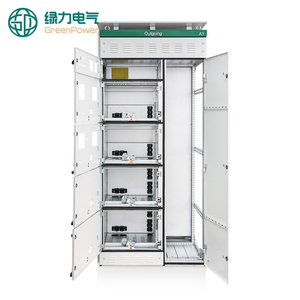
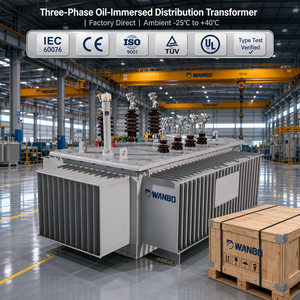
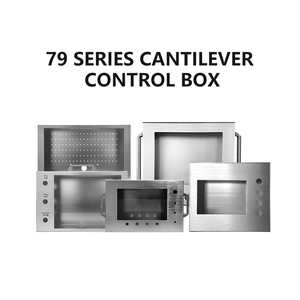
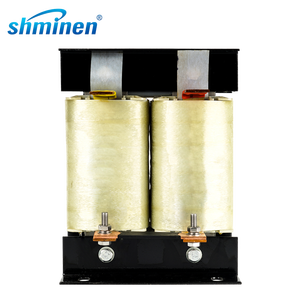
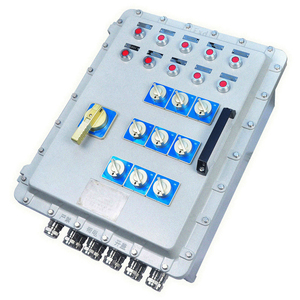
Born from a parent organization that has produced custom PLC, SCADA, and hazardous-area control enclosures since 1990, we engineer transformers from the unique perspective of the electrical system integrator.
Because our engineers come from industrial control panel backgrounds, our low voltage dry-type and control transformers are purposefully engineered with optimized terminal positioning, minimal stray flux leakage, and ultra-compact footprints to conserve critical space in standard MCC and switchgear assemblies.
Every commercial unit adheres strictly to the Low Voltage Directive (LVD) 2014/35/EU and EMC Directive 2014/30/EU. We implement high-grade grain-oriented electrical steel and certified Class F/H insulation materials ensuring full traceability for international procurement teams.
Our 5,500 m² Santej manufacturing base features state-of-the-art testing stations. Every transformer undergoes Double Voltage Double Frequency (DVDF) testing, automated computerized open/short-circuit runs, digital LCR verification, and infrared thermal mapping before leaving the plant floor.
Modern industrial distribution networks operate in severe electromagnetic environments characterized by high non-linear switching loads. The proliferation of Variable Frequency Drives (VFDs), active front-end converters, and digital servo systems introduces significant harmonic distortion (THD-i frequently exceeding 30%). In conventional electrical architectures, low voltage control and isolation transformers subjected to these high-frequency currents experience premature insulation breakdown, localized hot-spot overheating, and excessive core excitation currents.
As an authoritative CE-certified manufacturer, we construct transformers that decouple high-frequency electromagnetic interference while ensuring tight output voltage regulation under high-surge inductive loads. In control circuit engineering, a critical design factor is preventing downstream magnetic coil drop-out during simultaneous contactor pickup. Our magnetic cores utilize low-loss, high-permeability cold-rolled grain-oriented (CRGO) silicon steel laminations that minimize hysteresis and eddy-current losses, maintaining full secondary terminal voltage stability within ±2.5% to ±5% nominal regulation across varying load power factors.
Full physical and galvanic separation between primary and secondary windings prevents the propagation of ground-loop currents and attenuates common-mode spikes up to 60 dB with integrated electrostatic copper shields.
Windings utilize electrolytic copper or multi-strand high-grade aluminum, impregnated using automated vacuum pressure impregnation (VPI) with Class F (155°C) or Class H (180°C) moisture-resistant dielectric resin.
Engineered for high-harmonic environments with customized K-factor designs (K-4, K-13, K-20), neutralized eddy losses in conductors, and oversized neutral conductors rated to carry 200% of phase current.
| Transformer Architecture | Dielectric / Cooling Medium | Thermal & Overload Capacity | Harmonic Distortion Resilience | Ideal Industrial Installation Vector |
|---|---|---|---|---|
| Dry-Type VPI Control Transformer | Air Natural (AN) / Class H Resin | High momentary inrush capacity (up to 800% for 100ms) | Moderate (Filters recommended for THD > 15%) | Control panels, CNC machine tools, automation cabinets |
| Cast Resin Dry-Type (CRT) | Solid Epoxy Resin Compound | Superior impulse withstand, self-extinguishing | High dielectric protection against dv/dt surges | Indoor substations, high-rise buildings, critical cleanrooms |
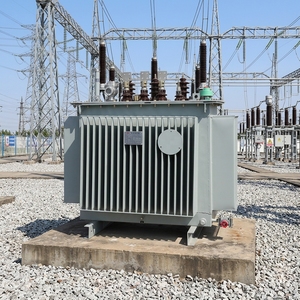
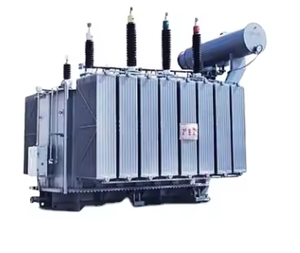
| Oil-Immersed Step-Down | Refined Mineral Oil / Natural Ester (ONAN) | Maximum continuous heat dissipation for high kVA | High internal thermal buffer | Outdoor distribution, plant substations, industrial heavy mills |
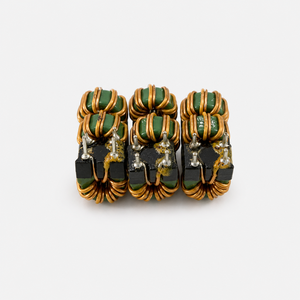
| Line / Load Filtering Inductors | Dry Air / Vacuum Impregnated | Engineered continuous saturation resistance | Ultra-High (Mitigates VFD switching transients & notches) | Motor feeders, inverter outputs, regenerative drives |
Procurement leaders and EPC contractors within the EMEA, North American, and APAC markets are navigating significant regulatory shifts. Sourcing decisions are no longer determined strictly on initial CapEx; instead, life-cycle efficiency, decarbonization directives, and automated traceability dictate supplier qualification.
Under global initiatives such as the European Union's EcoDesign Directive (EN 50588-1 Tier 2) and comparable DOE standards in the United States, baseline load and no-load losses must be substantially reduced. Procurement managers are prioritizing suppliers utilizing thin-gauge amorphous metal alloy cores and laser-scribed grain-oriented silicon steel. While the upfront material cost represents a modest premium, the Total Cost of Ownership (TCO) yields tangible energy savings over typical 20-to-30-year industrial operating spans.
The acceleration of commercial solar photovoltaic installations, battery energy storage systems (BESS), and electric vehicle (EV) fleet charging infrastructure is reorganizing the low voltage distribution landscape. Low voltage transformers must now tolerate bi-directional power flows, rapid dynamic load shifts, and DC bias currents that induce premature magnetic core saturation. As a consequence, procurement requirements increasingly mandate integrated DC smoothing reactors and customized electrostatic barriers.
As heavy manufacturing embraces Industry 4.0 predictive maintenance protocols, the specification for transformers has evolved from static iron cores to intelligent edge-monitored equipment. Next-generation transformer procurement requests increasingly demand embedded RTD temperature probes, digital current transducers, vibration-analysis sensors, and automated thermal imaging feedback directly linked to plant-wide SCADA via Modbus RTU or Ethernet/IP industrial protocols.
Find authoritative answers to technical, commercial, and regulatory questions encountered during the procurement of CE-certified low voltage transformers.
Connect directly with our senior application engineering team to evaluate transformer vector configurations, review routine test records, or request bespoke OEM custom prototypes.
Get a Quote