
Choosing a reliable Instrument Transformer manufacturer is not just a matter of comparing prices or product catalogs. These devices convert high currents and voltages into measurable signals for meters, relays, and control systems. A small error in ratio, insulation level, or specified burden can affect the readings used in a substation. Details matter.
This guide to China’s top 10 manufacturers considers practical factors: product range, stated standards, testing capability, customization, delivery support, and documented project experience. Buyers should check whether a supplier offers current transformers, voltage transformers, or both, and confirm ratings against the actual application. Product certificates and test reports deserve close review. A polished brochure is not proof of performance.
Power-systems engineer William H. Kersting’s published work offers a useful reminder: measurement and system models are only as dependable as their inputs. Applied here, that principle means choosing an Instrument Transformer with ratings and accuracy suited to the protection or metering task. This is a paraphrase, not a direct quotation from Kersting. No list is perfect. Rankings can shift with product scope, evidence, and buyer priorities, so readers should verify claims directly with manufacturers. The aim is a grounded starting point, not a substitute for technical review. Compare specifications, ask about routine and type tests, and examine service arrangements before making a decision.
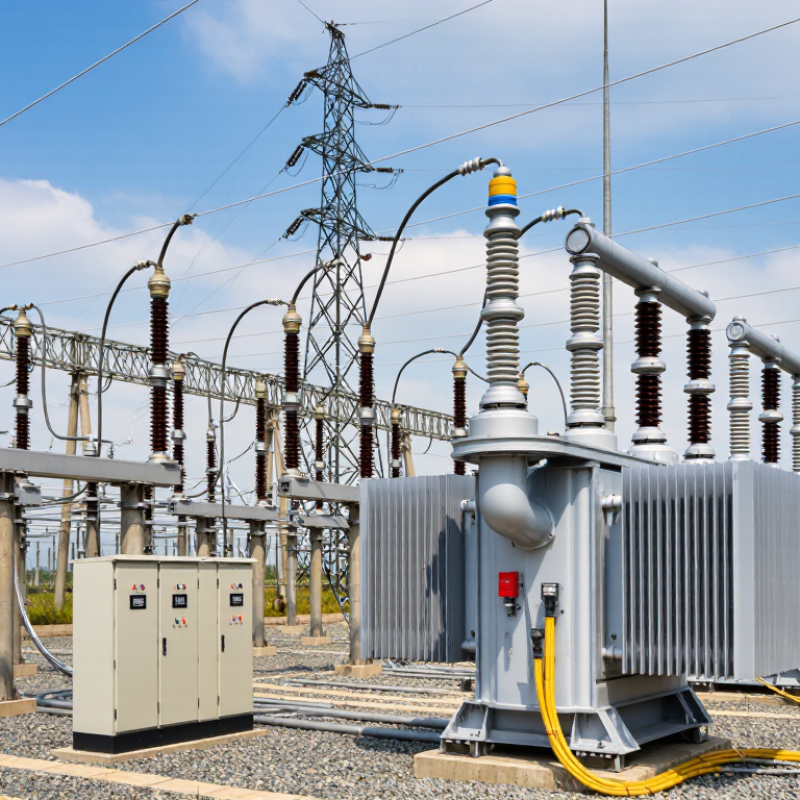
Instrument transformers make high-voltage systems measurable while separating instruments from primary circuits. Current transformers (CTs) convert large currents into standardized, lower secondary currents for meters and protection relays. Voltage transformers (VTs), also called potential transformers, scale system voltage for measurement and control. Both provide electrical isolation. Small errors matter. Incorrect polarity or ratio can distort readings and affect relay operation.
Selection involves more than matching a ratio. Check the accuracy class, rated burden in volt-amperes, system frequency, insulation level, and thermal or short-circuit withstand ratings.
For CTs, the secondary circuit must be handled carefully; an open secondary can produce hazardous voltage. Confirm that connected meters and wiring stay within the transformer’s burden rating.
Not always obvious. A specification sheet may not reflect actual cable length, ambient temperature, or mounting conditions. Comparing these details with the installation helps prevent avoidable measurement errors, though field conditions can still reveal assumptions worth reviewing.
China’s instrument transformer industry is shaped by grid expansion, renewable connections, and demand for reliable measurement. The China Electricity Council reported 9.85 trillion kWh of national electricity consumption in 2024, up 6.8% year on year. It also reported 608.3 billion yuan in power-grid investment. These figures describe the wider market, not instrument transformer sales. Still, they indicate why utilities need dependable current and voltage measurement at substations and renewable-energy sites.
Manufacturing quality depends on more than output volume. Engineers assess insulation performance, accuracy, thermal stability, and resistance to partial discharge. A transformer installed outdoors may face moisture, dust, and sharp temperature changes. Small design choices matter. China’s manufacturing landscape includes producers serving utility, industrial, and renewable-energy applications, with product requirements varying by voltage level and installation conditions. The IEA’s Electricity 2025 analysis also points to continuing growth in global electricity demand, adding pressure for grid upgrades. But broad demand forecasts cannot confirm individual factory capacity or product quality. Buyers should check test records, applicable technical standards, and after-sales support. Data can be imperfect. A market can expand while quality remains uneven.
Choosing among China’s top instrument transformer manufacturers requires more than comparing catalog prices. Start with the application: voltage and current range, system frequency, insulation level, rated burden, and required accuracy class. A transformer used for revenue metering may need different performance from one used for protection. Details matter.
Check whether technical data matches the actual operating conditions. Ask for routine and type-test reports, including accuracy, insulation, temperature rise, and partial-discharge results where applicable. Reports should identify the tested model and follow standards relevant to the destination market. Traceable serial numbers and clear quality records also help buyers verify production consistency. A polished brochure is not evidence by itself.
Factory capability matters, but so does support after delivery. Review winding and assembly controls, calibration equipment, inspection procedures, and the handling of nonconforming units. For outdoor equipment, examine enclosure protection, creepage distance, seals, and resistance to moisture or pollution. Ask how the supplier manages design changes and replacement parts. A sample inspection or factory audit can reveal practical gaps that documents miss. Yet audits have limits; one visit cannot prove every batch is consistent. Compare lead times, warranty terms, technical response, and access to test data before deciding. A low quotation may exclude installation guidance or later service, so clarify the scope in writing.
Use this evidence-based framework to compare manufacturers. It does not assert a ranking or assign unverified company scores. Confirm that each requirement matches the intended application, project specification, and applicable standard edition.
| No. | Evaluation Criterion | What to Check | Suggested Evidence | Score (0–5) |
|---|---|---|---|---|
| 1 | Standards and conformity | Whether the proposed current or voltage transformer is designed and tested to the standards and requirements specified for the project. | Product datasheets, applicable IEC 61869 or GB/T 20840 series references, conformity documents, and type-test reports. Check the relevant part and edition for the product type. | _____ |
| 2 | Accuracy and application suitability | Whether the offered metering or protection accuracy class, burden, and performance are suitable for the intended circuit and connected equipment. | Nameplate and datasheet ratings, accuracy-class details, burden information, and test records for the specified configuration. | _____ |
| 3 | Voltage and current range | Whether rated primary and secondary values, frequency, ratio options, and system voltage are consistent with the project requirements. | Technical schedules, drawings, product selection tables, and a written confirmation against the purchaser’s specification. | _____ |
| 4 | Insulation and dielectric performance | Whether insulation levels and dielectric withstand performance meet the specified system voltage and installation conditions. | Rated insulation data, routine-test records, type-test reports where required, and documentation for the proposed insulation design. | _____ |
| 5 | Thermal and short-circuit capability | Whether applicable thermal and dynamic current ratings are adequate for the installation and the system fault conditions. | Rated short-time thermal current, rated dynamic current where applicable, duration, and supporting design or test documentation. | _____ |
| 6 | Environmental and installation suitability | Whether the design is appropriate for indoor or outdoor use and the specified ambient temperature, altitude, pollution, moisture, and enclosure conditions. | Installation instructions, environmental limits, enclosure or creepage details where applicable, and project-specific declarations. | _____ |
| 7 | Product range and customization | Whether the manufacturer can supply the required transformer type, configuration, ratios, secondary windings, terminals, and mounting arrangement. | Current product catalogue, dimensional drawings, configuration schedules, and confirmation that the offered design matches the specification. | _____ |
| 8 | Testing and quality control | Whether documented inspection and testing cover the supplied units and the relevant routine tests required by the specification. | Quality procedures, sample routine-test reports, inspection plans, calibration records, and agreed factory acceptance test arrangements. | _____ |
| 9 | Traceability and technical documentation | Whether supplied equipment can be identified and its ratings, test results, drawings, and operating information traced to the delivered units. | Serial-number or batch records, nameplate information, final drawings, test certificates, installation instructions, and document revision control. | _____ |
| 10 | Delivery, warranty, and after-sales support | Whether delivery commitments, warranty terms, technical support, spare parts, and issue-response arrangements are clearly defined. | Written lead-time and warranty terms, service contact details, support scope, spare-parts information, and references relevant to the project type. | _____ |
Suggested scoring: 0 = no evidence or does not meet the requirement; 1 = major gaps; 2 = partial evidence with significant open items; 3 = meets the basic requirement; 4 = strong documented evidence; 5 = fully verified against project requirements. Apply consistent weighting and verify documents independently before procurement.
This article profiles ten leading instrument transformer manufacturers in China through their product focus, engineering scope, and quality practices. The profiles help buyers compare suppliers without treating “top ten” as a universal ranking. Some specialize in high-voltage current transformers for substations; others emphasize voltage transformers for metering and protection. Several serve indoor switchgear with cast-resin units, while others build outdoor oil-insulated or gas-insulated designs. Combined instrument transformers can reduce installation space. Custom ratios and terminal layouts may matter more than a broad catalog. We also consider testing facilities, traceable documentation, delivery support, and experience with different grid conditions. Public information can be incomplete. A polished website proves little on its own.
Tips: Request the rated voltage, accuracy class, burden, insulation level, and test reports for the exact model. Check drawings against the switchgear interface. Ask how calibration records and replacement parts are handled.
Treat each profile as a starting point, not an endorsement. Product ranges change, and a strong export record does not guarantee a perfect local fit. Verify recent references and sample documentation before shortlisting.
Comparing China’s leading instrument transformer manufacturers means looking beyond product names. Check whether their ranges cover current and voltage transformers, indoor and outdoor installations, and resin or oil insulation. The IEA’s 2023 report, Electricity Grids and Secure Energy Transitions, says annual grid investment must rise from about USD 300 billion to more than USD 600 billion by 2030 in its net-zero scenario. This is grid-wide spending, not a transformer market forecast, but it highlights the need for dependable measurement equipment.
Certifications should match the intended use. Ask for product-specific test reports against IEC 61869, and verify quality-management certificates separately; one does not prove the other. For substations, protection accuracy and insulation performance matter. Solar and wind sites may need outdoor units built for changing weather, while industrial plants often prioritize compact designs and stable metering. Details matter. A polished datasheet can still leave gaps in test conditions or operating limits. That deserves a second look.
Tips: Share the rated voltage, accuracy class, installation environment, and protection needs before requesting quotations. Compare test evidence and after-sales support, not just price. Not interchangeable.
Reference overview of standard high-voltage AC system levels relevant to instrument-transformer applications in China.
How to read this chart: The bars show standard nominal AC system voltage levels in kilovolts; they do not represent the product range of any particular manufacturer.
Products and use: Instrument transformers include current transformers, voltage transformers, and combined units for measurement, metering, and protection in substations and power networks. IEC 61869 and China’s GB/T 20840 series provide relevant instrument-transformer standards. Applicable requirements depend on product type and project specifications; standards references do not imply that every product or supplier holds a particular certification.
Check voltage and current range, frequency, insulation level, rated burden, and accuracy class. The application matters.
Revenue metering and protection serve different purposes. Their accuracy and performance needs may differ.
Request routine and type-test reports for the exact model. Look for accuracy, insulation, temperature-rise, and applicable partial-discharge results.
Compare drawings with the switchgear interface. Confirm terminal layout, rated values, and installation dimensions.
Ask about winding controls, calibration equipment, inspection steps, and how nonconforming units are handled. A sample inspection can help.
Check enclosure protection, creepage distance, seals, and resistance to moisture or pollution. Small gaps can matter.
No. One visit offers useful clues, but it cannot confirm every batch. That limitation is easy to overlook.
Put lead times, warranty terms, technical support, test-data access, and installation guidance in writing. A low price may exclude service.
No. Treat profiles as starting points, not endorsements. Verify recent references and sample documents; public information can be incomplete.
This article introduces the role of the Instrument Transformer in modern power systems, explaining how current and voltage transformers support measurement, protection, and safe electrical isolation. It outlines the main types, their functions, and key specifications, such as accuracy, rated voltage, insulation performance, and operating conditions. It also describes China’s manufacturing landscape, including the range of products and applications served across power generation, transmission, distribution, and industrial facilities.
The article presents practical criteria for evaluating manufacturers, including product coverage, quality assurance, technical capabilities, certifications, and suitability for different operating environments. It then profiles ten leading manufacturers in China without focusing on any single brand, and compares their product ranges, certifications, and application areas. Together, these sections offer readers a structured overview to help them understand the market and assess which equipment characteristics matter most when selecting an instrument transformer solution.