
Santej, Ahmedabad, Gujarat, India CE-Marked Transformers for Export
Serving OEMs & Projects Worldwide
0%

Choosing the Best Three Phase Power Transformer Manufacturer in China requires more than comparing quoted prices. A transformer may look impressive in a catalog, yet perform differently under a plant’s actual load, ambient temperature, and operating cycle. Buyers should check rated capacity, voltage ratio, impedance, cooling method, insulation system, and test documentation. Small details matter. A terminal layout that complicates installation can cost time long after delivery.

Transformer specialist Martin J. Heathcote, author of The J & P Transformer Book, offers a useful engineering perspective. A concise paraphrase of the practical lesson in his work is: “Specify for real operating conditions, not just the nameplate.” This is not a verified verbatim quotation; it reflects the importance of matching transformer design to its application. For a three-phase unit, ask manufacturers how they verify routine performance and what records accompany each shipment. Request clear answers on materials, production checks, inspection, warranty terms, and technical support. Where possible, review test reports and speak with customers using comparable equipment. Numbers help, but context helps more.

China has many manufacturers, and capabilities vary. Some serve utility projects; others focus on industrial facilities, renewable-energy systems, or custom specifications. No single supplier is best for every project. Compare documented quality processes, engineering responsiveness, delivery commitments, and lifecycle service—not just the first quotation. A polished website is not proof of dependable production. Nor is a low price automatically a warning sign. The decision deserves careful review. A strong shortlist starts with evidence, direct technical questions, and a specification that reflects the conditions the transformer will actually face.
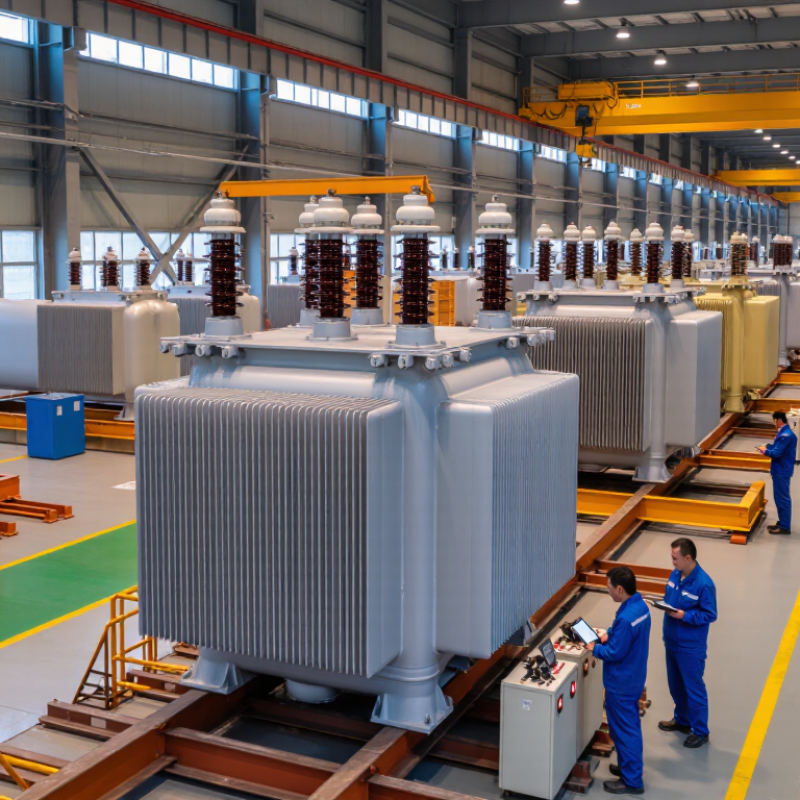
Best Three Phase Power Transformer Manufacturer in China?

What a Three-Phase Power Transformer Does and Where It Is Used

What a Three-Phase Power Transformer Does and Where It Is Used

A three-phase power transformer transfers electrical energy between circuits and changes voltage levels. It handles three alternating-current phases, making it suitable for delivering substantial power to industrial and commercial loads. At a power station, step-up transformers raise voltage for transmission, helping reduce current and resistive losses. Substation transformers then lower voltage for local networks and facilities. You will find them in factories, office towers, data centers, water-treatment plants, and renewable-energy installations. They may supply motors, pumps, chillers, and other equipment that runs continuously. The application matters: a unit chosen only by its rated capacity may not suit its actual load.

Grid upgrades make transformer planning increasingly important. The International Energy Agency’s 2023 report, Electricity Grids and Secure Energy Transitions, says the world must add or replace 80 million kilometres of power lines by 2040—roughly the length of today’s entire grid. That is a grid-wide estimate, not a transformer forecast, but it signals the scale of infrastructure change. A common planning blind spot is assuming today’s load will remain unchanged.

Tips: Check voltage ratio, capacity, cooling method, impedance, and expected load profile before specifying a unit. Allow for future demand, too. It is easy to overlook.

What a Three-Phase Power Transformer Does—and Where It Is Used

A three-phase power transformer changes AC voltage between levels in an electrical network, enabling efficient transmission and practical distribution to users.

Representative UK nominal three-phase voltage levels: 400 V low-voltage distribution, 11 kV local distribution, 33 kV primary distribution, 132 kV sub-transmission, and 400 kV transmission. Actual network voltages vary by country and location. Transformers are used in substations, distribution networks, and industrial facilities.

China’s Three-Phase Transformer Manufacturing Landscape

China’s three-phase transformer landscape is driven by grid expansion, industrial demand, and the replacement of aging equipment. The China Electricity Council reported that national electricity consumption reached about 9.85 trillion kilowatt-hours in 2024, up 6.8% year on year. The International Energy Agency’s Electricity 2025 report also recorded strong growth in China’s power demand. These figures explain the need for transformers serving substations, factories, and commercial buildings.

Manufacturers compete on more than rated capacity. Buyers compare load and no-load losses, temperature rise, noise, insulation design, and performance under local operating conditions. On a factory visit, practical checks include winding workmanship, core-lamination alignment, test-bay instruments, and traceable routine-test records. Small details matter.

China has a broad supplier base, but public statistics rarely separate three-phase transformer output from other transformer categories. That makes headline market estimates difficult to verify. CEC’s demand figures describe the wider power system, not individual manufacturer quality. Buyers should therefore request model-specific test reports and confirm that quoted efficiency values match the delivered configuration. I would not treat a large production capacity claim as proof of consistent field performance. Teams sometimes overlook this. It deserves a closer look.

How to Evaluate Transformer Manufacturers and Their Products

Best Three Phase Power Transformer Manufacturer in China?

When comparing transformer manufacturers, begin with the project’s actual operating conditions. Record rated capacity, primary and secondary voltages, frequency, tap range, cooling method, and indoor or outdoor installation needs. A unit designed for a mild climate may need different insulation and cooling provisions in a hot, humid site.

Small details matter.

Ask for drawings, a bill of materials, and documented quality procedures. Review whether the design follows applicable IEC 60076 requirements and matches local grid specifications. Request routine-test records for the proposed unit, including winding resistance, voltage ratio, impedance, and dielectric tests. Temperature-rise results may come from a type test rather than each individual unit, so clarify what was tested and when.

No checklist catches everything.

Look closely at factory controls, not just certificates. Ask how core steel, conductors, and insulation materials are traced from receipt to assembly. If possible, observe winding, drying, and final testing, and note how test instruments are calibrated. Check references for comparable capacity and duty, plus warranty terms, spare-part availability, and response times.

A neat factory tour can still miss production delays or weak after-sales support. Discuss those risks openly.

It is easy to focus on purchase price and overlook the cost of downtime; a simple lifecycle estimate can expose that blind spot.

Manufacturing Standards, Testing, and Quality Assurance

A reliable three-phase power transformer begins with controlled manufacturing, not a polished brochure. Buyers should ask how the factory manages core-steel cutting, winding tension, insulation drying, and tank welding. Small process variations can affect losses, temperature rise, or long-term insulation performance. They matter.

Quality plans should reference applicable requirements, such as IEC 60076, while confirming the project’s voltage, capacity, and operating conditions. Material records should connect steel, conductors, and insulation to specific production batches. Calibrated instruments and documented inspections make results easier to verify. Ask to see sample records.

Testing should cover routine checks such as winding resistance, turns ratio, impedance, losses, and applied or induced voltage withstand. Design-specific type or special tests may include temperature-rise and partial-discharge measurements. The test setup, acceptance limits, and instrument calibration dates should be recorded, not merely reported as “passed.” A test certificate is useful, but it cannot replace clear traceability.

Experienced engineers also review abnormal readings before shipment. A stable result may still deserve investigation if it differs from the design baseline. No checklist catches everything. Ask how nonconformities are documented, corrected, and retested, and whether inspection records are available for review. This conversation often reveals more than a factory tour.

Matching a Chinese Manufacturer to Project Requirements

Choosing a Chinese three-phase transformer manufacturer starts with the project, not a ranking. List the required capacity, primary and secondary voltages, frequency, vector group, and impedance before requesting quotations. Include site conditions too. A 1,600 kVA unit in a hot, dusty pump room may need different cooling and enclosure details from one installed indoors. Small mismatches matter.

Compare suppliers on engineering evidence, not just price or delivery promises. Ask for drawings, routine test records, loss figures, and confirmation that the proposed design suits your specified standards. Check how the manufacturer handles short-circuit withstand, temperature rise, insulation level, and accessories such as tap changers. Request a clear explanation of any deviations. I have seen projects lose time because a seemingly minor terminal arrangement was noticed only after drawings were approved. It is easy to miss. Communication quality is part of the technical assessment: replies should address your actual operating conditions, not repeat catalogue wording. Verify production capacity and inspection arrangements against your schedule, and clarify who resolves design questions after purchase.

Tips: Send one consistent data sheet to every bidder. Mark non-negotiable requirements separately from preferences. Ask for written answers beside each item, and review the final nameplate details before production. If a specification is still uncertain, say so; pretending it is settled can create avoidable rework.

FAQS

What information should I prepare before requesting transformer quotations?

Specify capacity, primary and secondary voltages, frequency, vector group, and impedance. Include site conditions, such as heat, dust, and indoor or outdoor installation. One shared data sheet helps.

Which manufacturing processes should I ask about?

Ask how the factory controls core-steel cutting, winding tension, insulation drying, and tank welding. Small variations can affect performance. They are easy to overlook.

Which standards and records should the quality plan include?

Ask whether the quality plan references applicable requirements, such as IEC 60076. Material records should link steel, conductors, and insulation to production batches. Request sample inspection records.

What routine tests should a transformer undergo?

Common checks include winding resistance, turns ratio, impedance, losses, and applied or induced voltage withstand. Ask for test results, acceptance limits, and instrument calibration dates. “Passed” alone is thin evidence.

When are type or special tests needed?

Depending on the design and project, tests may include temperature rise or partial discharge measurements. Confirm the test setup and acceptance limits. The project details matter.

How should a manufacturer handle unusual test readings?

Ask how engineers review abnormal readings, document nonconformities, make corrections, and retest. A stable result may still differ from the design baseline. I would check that difference twice.

What details should I compare beyond price and delivery time?

Review drawings, loss figures, routine test records, and design suitability for the specified conditions. Confirm short-circuit withstand, temperature rise, insulation level, and accessories. Clarify deviations in writing.

How can I reduce avoidable design changes?

Mark mandatory requirements separately from preferences. Ask for written responses beside each item, then review the nameplate details before production. Terminal layouts deserve a close look.

Conclusion

A Three Phase Power Transformer transfers electrical energy between voltage levels while supporting balanced three-phase power systems. It is widely used in power generation and distribution, factories, commercial buildings, infrastructure, and other settings with substantial electrical loads. China’s manufacturing landscape includes a range of suppliers with different production capabilities, product configurations, and levels of project support, so buyers should assess fit rather than rely on general claims.

A careful evaluation considers rated capacity and voltage, efficiency, insulation and cooling methods, materials, customization options, delivery capability, and after-sales service. Manufacturing standards, documented inspections, routine and type testing, and clear quality-control procedures help verify that a transformer meets its specified performance and reliability requirements. The right manufacturer is one that can demonstrate relevant experience, communicate technical details clearly, and align its design, testing, and support with the project’s operating conditions and requirements.

Amelia

Amelia

Amelia is a professional marketing specialist with a strong understanding of the company’s products, customers, and industry landscape. Through years of experience in market research, content strategy, and customer communication, she transforms complex product features into clear, practical, and......