
Santej, Ahmedabad, Gujarat, India CE-Marked Transformers for Export
Serving OEMs & Projects Worldwide
0%

Selecting a Line and Load Reactor is not just a matter of matching voltage and current. Industrial buyers must consider the drive type, supply conditions, load profile, installation space, and the manufacturer’s ratings. A reactor that looks suitable on a specification sheet may run hotter than expected in a crowded control cabinet. Small details matter.

This guide introduces seven options for industrial applications, including input-side and output-side reactors. It highlights practical selection factors such as impedance, rated current, thermal performance, enclosure requirements, and compatibility with variable-frequency drives. These details help buyers compare products more carefully, but they do not replace engineering review. Check the equipment manuals and confirm operating conditions with the supplier before purchase.

There is no single best choice for every plant. A packaging line with frequent starts may need different protection from a pump running at a steady speed. That sounds obvious. It is often overlooked. Product availability, documentation, and support can also vary by region and application. The comparisons that follow offer a starting point, not a substitute for site-specific assessment. Even experienced buyers should revisit their assumptions when loads, cables, or operating patterns change.
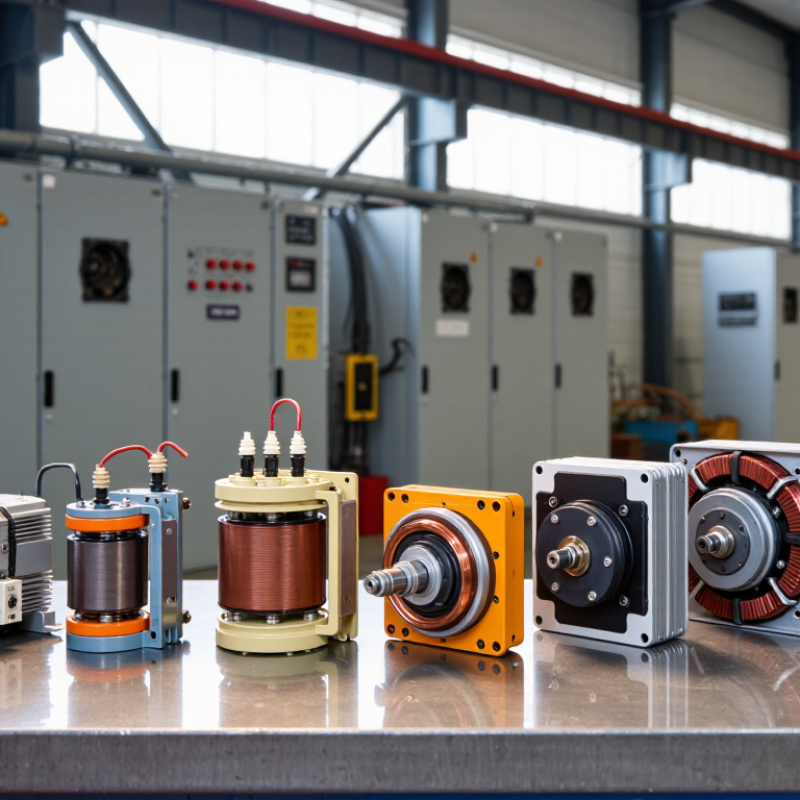
7 Best Line and Load Reactors for Industrial Buyers

How Line and Load Reactors Protect Industrial Equipment

Line and load reactors help shield industrial drives and motors from electrical stress. A line reactor sits before a variable frequency drive, where it can limit current surges and soften incoming voltage disturbances. This helps reduce nuisance trips and stress on the drive’s rectifier. On a factory floor, that can mean fewer abrupt stops when nearby equipment switches on. It can also limit fault current, though it does not replace proper circuit protection. That matters. Reactor performance depends on correct sizing for the drive’s current, voltage, and operating conditions.

A load reactor is installed between the drive and motor. It smooths fast voltage pulses, reducing reflected-wave stress on motor insulation, especially with long cable runs. That can help protect older motors and reduce the chance of premature winding failure. Installation still requires care: added impedance creates heat and a small voltage drop, and cable length and switching frequency affect the choice. A reactor is not a cure-all. It will not correct every grounding problem or eliminate all harmonics. Buyers should check the drive and motor specifications, measure the cable route, and confirm enclosure cooling before selecting a unit. The right protection is often less visible than a failed motor.

Key Differences Between Line-Side and Load-Side Reactors

Line-side and load-side reactors sit on opposite sides of a variable-frequency drive, so they address different electrical stresses. A line reactor is installed between the power supply and the drive. It adds impedance that can soften current spikes, reduce some input-side disturbances, and help protect the drive from a stiff supply. It may also reduce harmonic current, but it does not guarantee compliance with a site’s power-quality limits. Check the drive rating, supply conditions, and measured distortion before specifying one.

A load reactor goes between the drive output and the motor. It helps moderate fast voltage changes, which can reduce stress on motor insulation and long cable runs. Picture a drive in a cabinet feeding a motor across a factory floor: the cable length and motor insulation both matter. Small details count. A load reactor is not a substitute for checking the drive manufacturer’s cable limits or output requirements. In practice, the distinction is not always tidy; both reactor types can affect system losses and heat. A common selection mistake is choosing by current rating alone. Review voltage, duty cycle, enclosure temperature, and installation space, then verify the choice during commissioning.

Criteria for Selecting an Industrial Reactor

Selection begins with the drive and motor, not a catalog rating. Record the system voltage, full-load current, switching frequency, and expected overloads. A line reactor sits before the drive and can limit incoming current surges. A load reactor sits between the drive and motor, helping reduce voltage stress on motor insulation and long cable runs. That distinction matters.

The U.S. Department of Energy’s 2014 Manufacturing Energy Use and Greenhouse Gas Emissions Analysis estimates that motor-driven systems account for about 69% of U.S. manufacturing electricity use. That scale makes careful component selection worthwhile, but it does not mean every motor needs a reactor. I would not size one from nameplate current alone; that shortcut can overlook ambient heat, enclosure conditions, and drive-specific guidance. Check the reactor’s impedance rating, continuous current, temperature rise, and installation location. For a long motor cable, confirm the drive manufacturer’s limits and assess whether a load reactor is enough. Sometimes it isn’t. Compare the expected reduction in electrical stress with added heat and voltage drop, then verify the choice against site measurements where possible.

Seven Line and Load Reactors for Industrial Applications

Industrial plants rarely run drives under clean laboratory conditions. Long cable trays, frequent starts, and voltage dips change what a reactor must handle.

The U.S. Department of Energy’s Improving Motor and Drive System Performance: A Sourcebook for Industry reports that motor-driven systems use about 68% of U.S. manufacturing electricity. Small design choices matter.

Seven useful configurations include 3% and 5% impedance line reactors, input current-limiting reactors, drive-input reactors, output load reactors, dv/dt reactors, and sine-wave output reactors. The first group helps buffer supply disturbances and limit drive input current peaks. Output designs address voltage stress on motor leads, especially when cables are long. They are not interchangeable.

A 3% reactor is often a practical starting point for general drive protection; 5% impedance can provide stronger buffering, but may increase voltage drop. Check drive current, available fault current, switching frequency, cable length, and motor insulation before specifying one.

A common blind spot is enclosure heat: a reactor mounted beside a hot drive may need extra derating. The DOE sourcebook gives useful energy context, but it does not establish a universal reactor size. That part takes careful site data.

For long motor leads, compare a load reactor with a dv/dt or sine-wave design, then confirm the drive maker’s limits and measured motor-terminal voltage.

I would not assume the biggest reactor is safest. It may solve one problem and create another.

Installation and Maintenance Factors for Reactor Systems

Installation quality can determine whether a line or load reactor operates reliably under daily plant conditions. Confirm the reactor’s current rating, voltage, and duty cycle against the actual drive and motor data. A catalog match alone may miss frequent starts or changing loads. Check the enclosure, ambient temperature, and available airflow before choosing a mounting position.

Keep clearance around the reactor’s cooling surfaces, and avoid placing it beside heat-sensitive controls. Secure the unit to a rigid panel; vibration can loosen connections over time. Follow the wiring diagram, and keep power conductors separated from sensitive signal cables where practical. A common field oversight is leaving too little room for a torque tool.

Small detail, real consequence.

After installation, verify terminal tightness using the specified torque, then inspect for unusual noise, odor, or temperature during operation. Maintenance should follow the equipment maker’s instructions and the site’s operating conditions. With power safely isolated, inspect terminals for discoloration, dust buildup, and signs of overheating. Record temperatures and current readings during routine checks; trends can reveal a developing problem earlier than a single reading. Don’t assume a warm reactor is failing. Compare its operating temperature with its rating and the surrounding conditions. Inspection schedules may need adjustment after a process change, and that is easy to overlook.

FAQS

What does a line reactor do?

Installed before a variable frequency drive, it can limit current surges and soften incoming voltage disturbances. This may reduce nuisance trips and stress on the drive’s rectifier. It does not replace circuit protection.

How does a load reactor protect a motor?

It sits between the drive and motor. It smooths fast voltage pulses, which can reduce stress on motor insulation. Long cable runs make this especially relevant.

Does every motor system need a reactor?

No. The need depends on the drive, motor, cable route, and operating conditions. It is not automatic. A reactor can add cost, heat, and a small voltage drop.

What information helps size a reactor?

Record system voltage, full-load current, switching frequency, and expected overloads. Check ambient temperature and enclosure airflow, too. Nameplate current alone can miss important conditions.

Can a reactor fix grounding problems or eliminate harmonics?

No. It will not correct every grounding problem or eliminate all harmonics. It is one protective component, not a universal fix. Easy to overlook.

When might a load reactor be useful?

Long motor cables can increase reflected-wave stress on motor insulation. A load reactor may help, especially with older motors. I might be missing a site-specific detail, so measure the cable route and check drive guidance.

What installation details matter?

Leave clearance around cooling surfaces and keep the reactor away from heat-sensitive controls. Mount it securely on a rigid panel. Leave room for a torque tool, too. Small detail, real consequence.

What should routine maintenance include?

With power safely isolated, inspect terminals for discoloration, dust, and overheating signs. Record current and temperature readings over time. A warm reactor is not automatically failing. Compare readings with its rating and surroundings.

Conclusion

Line and load reactors help protect industrial equipment from electrical disturbances by limiting current surges, reducing harmonics, and smoothing voltage changes. A Line and Load Reactor may be installed on the supply side or between a drive and its motor, depending on the system’s needs. Line-side units help shield equipment from incoming power fluctuations, while load-side units can reduce motor stress and help manage cable-related effects.

Selecting a suitable reactor involves considering voltage, current, load characteristics, operating conditions, and the level of protection required. This overview compares seven reactor types for common industrial applications and explains how to assess their suitability without relying on brand-specific recommendations. Proper installation, ventilation, wiring, and routine inspection also contribute to reliable performance. By matching the reactor to the application and maintaining it appropriately, industrial buyers can support equipment longevity and more stable system operation.

Evelyn

Evelyn

Evelyn is a dedicated marketing professional and an experienced author who brings together strategic insight, clear communication, and a deep understanding of the company’s products. With a strong focus on customer needs and market trends, she regularly contributes expert articles to the company......