
Santej, Ahmedabad, Gujarat, India CE-Marked Transformers for Export
Serving OEMs & Projects Worldwide
0%

Choosing a Cast Resin Transformer in 2026 requires more than comparing price, capacity, and delivery dates. Buyers must examine insulation quality, thermal performance, partial-discharge control, fire behavior, and regional service support. A beautifully finished unit can still disappoint inside a poorly ventilated substation.

Industry forecasts show why this market deserves closer attention. MarketsandMarkets projects the global dry-type transformer market to grow from approximately USD 10.4 billion in 2023 to USD 16.7 billion by 2028. Fortune Business Insights also expects steady growth in the cast resin transformer segment, driven by data centers, renewable-energy projects, rail systems, and dense urban infrastructure. Estimates vary between reports. That difference matters. It reflects changing definitions, currencies, and regional coverage.

Thomas A. Prevost, an IEEE Fellow and recognized transformer specialist, has repeatedly stressed a practical warning: “Dry-type transformers are not maintenance-free.” His point remains important for buyers reviewing 2026 manufacturers. Cast resin technology reduces oil-related fire risks and can perform reliably in demanding indoor environments. It does not eliminate heat, dust, vibration, installation errors, or aging.

The strongest manufacturers provide traceable test records, IEC 60076 compliance, thermal design evidence, and responsive technical support. Look closely. Ask for routine-test documentation, load-cycle data, noise measurements, and references from comparable projects. This guide compares leading suppliers through those criteria, while acknowledging an uncomfortable reality: no ranking can replace an engineer’s site assessment. Procurement decisions should reflect local grid conditions, climate, maintenance capability, and actual load behavior.
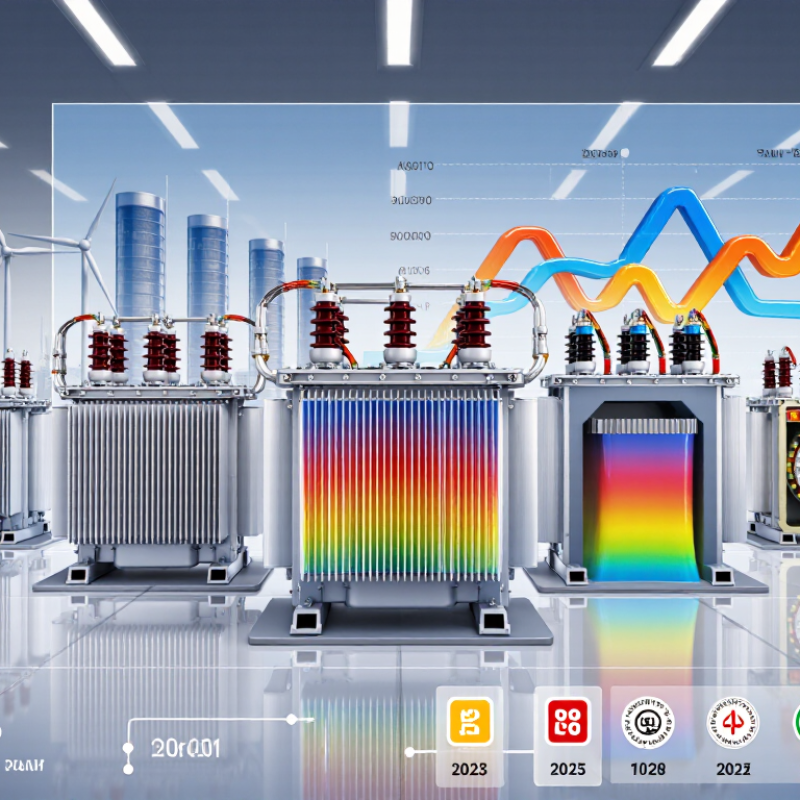
2026 Top Cast Resin Transformer Manufacturers to Buy?

What Is a Cast Resin Transformer and Why Does It Matter?

A cast resin transformer is a dry-type transformer with windings enclosed in epoxy resin. The resin protects copper conductors from moisture, dust, and many chemical contaminants. Unlike oil-filled units, it contains no liquid insulation. This reduces spill concerns and simplifies indoor installation. It still needs ventilation. Heat remains the main enemy.

Industry forecasts show rising demand. MarketsandMarkets’ 2024 dry-type transformer report projects a market growth rate of more than 6% annually through the decade. The International Energy Agency also reported strong global electricity-demand growth in 2024, increasing pressure on reliable distribution equipment. Cast resin designs suit hospitals, commercial towers, factories, tunnels, and renewable-energy sites. Their compact structure can help where fire safety and limited maintenance matter. However, resin cracking, poor airflow, and incorrect loading can shorten service life. Reports often disagree on market size. That is worth remembering.

Tips: Check IEC 60076 compliance, temperature-rise data, partial-discharge results, and short-circuit strength before buying. Ask for factory test records, not marketing claims. Leave clear ventilation space around the enclosure. Measure real load patterns, including harmonics from drives and converters. A transformer rated perfectly on paper may still run hot in a crowded electrical room. My practical view is less glamorous: installation quality often decides performance more than the brochure does.

How to Evaluate Cast Resin Transformer Manufacturers in 2026

Evaluating Cast Resin Transformer Manufacturers in 2026

Demand is becoming harder to forecast. The IEA Electricity 2024 report expects global electricity demand to grow by about 3.4% annually through 2026. This growth increases pressure on transformer capacity, delivery schedules, and maintenance support. Buyers should examine more than catalogue ratings. Request evidence of compliance with IEC 60076-11 and relevant IEEE testing practices. Factory reports should show insulation resistance, partial discharge, temperature-rise, impulse, and short-circuit tests. Missing data is a warning sign.

A reliable manufacturer should explain its resin system clearly. Ask about curing controls, void detection, thermal aging, and moisture protection. Cast resin coils may look robust, yet small internal defects can become expensive failures. Check whether the factory performs routine testing on every unit, not only prototype testing. Review five-year failure records, spare-part access, service response, and engineer training. A low quotation can hide weak documentation or long repair delays. That is often overlooked.

Tips: Compare at least three manufacturers using the same technical specification. Visit the factory if the project is critical. Inspect winding cleanliness, testing equipment, traceability labels, and storage conditions. Verify references from similar climates and load profiles. Do not accept a polished brochure as proof of reliability. No scorecard is perfect. Recheck assumptions before purchase.

Top Cast Resin Transformer Manufacturers to Consider Buying From

When choosing cast resin transformer manufacturers to buy from in 2026, evaluate engineering evidence, not catalogue claims. Mordor Intelligence estimates the global dry-type transformer market at about USD 13.16 billion in 2024, reaching USD 18.08 billion by 2029. This growth reflects demand from data centers, renewable projects, and urban substations. However, market growth does not guarantee equal manufacturing quality. Consider suppliers with tested epoxy systems, documented thermal performance, and production aligned with IEC 60076-11. Ask for routine test records, partial-discharge results, and temperature-rise data for the exact model.

Experience matters during installation. A reliable manufacturer should explain humidity control, ventilation clearance, overload limits, and acoustic performance. Request references from projects with similar voltage, altitude, and load patterns. Independent inspection can verify winding integrity before shipment. The U.S. Department of Energy also highlights transformer efficiency as an important source of electricity savings across commercial facilities. Small efficiency differences can become significant over a twenty-year service life. Still, published efficiency figures may use different test conditions, so direct comparison is imperfect.

Tips: Compare total ownership cost, not only purchase price. Check warranty exclusions, spare-part availability, local service response, and lead times. Review the factory’s quality certifications, but do not treat certificates as proof of every claim. A factory visit or witnessed testing is stronger evidence. One weakness in this approach is cost: independent testing adds time and expense. Yet skipping it can create louder operation, premature insulation failure, or costly replacement work. Choose a manufacturer that provides clear calculations and accepts technical questions.

Key Specifications, Certifications, and Applications to Compare

2026 Top Cast Resin Transformer Manufacturers to Buy?

When comparing cast resin transformer manufacturers in 2026, study specifications before production capacity claims. Confirm rated power, primary and secondary voltage, frequency, impedance, insulation class, temperature rise, and cooling method. These details affect installation size, energy losses, and long-term reliability. A 1,000 kVA unit may appear suitable, yet its short-circuit impedance or harmonic performance may not match a data center load. Ask for routine and type-test reports, including partial discharge results. Verify the test conditions, not only the headline numbers.

Certifications should match the installation market and application. IEC 60076-11 is commonly referenced for dry-type transformers, while IEEE standards may apply in other projects. Check whether the manufacturer maintains ISO 9001 quality systems and whether certification covers the actual factory.

Applications also matter. Hospitals need low fire risk and stable voltage. Metro systems may require compact designs, reduced noise, and strong overload performance. Outdoor substations need suitable enclosures, corrosion protection, and environmental ratings. Procurement teams often overlook altitude correction. That can be costly.

Tips: Request a sample nameplate, factory acceptance test format, warranty terms, spare-part support, and response times for failures. Compare guaranteed losses with tested losses. Visit the factory if possible. Photos are not evidence. I would also challenge unclear thermal data; some vendors provide optimistic figures without explaining ambient conditions. A careful comparison may feel slower, but it exposes weak assumptions before they become site problems.

How to Select the Right Manufacturer for Your Project

Choosing a cast resin transformer manufacturer for a 2026 project requires more than comparing prices. Review experience with your voltage class, load profile, installation space, and operating climate. Ask for references from projects with similar duty cycles, not generic product photos. A reliable manufacturer should explain resin formulation, partial discharge limits, thermal performance, and routine testing clearly. Request test records, quality certificates, and traceable serial documentation. If answers remain vague, keep looking. Technical confidence matters.

Tips: Build a practical supplier scorecard. Check design capability, factory inspection procedures, delivery history, warranty terms, spare-part support, and field-service response. Confirm whether engineers review harmonic loads, altitude, humidity, and fire-safety requirements. Visit the factory when possible. Observe how coils are wound, cured, inspected, and packed. Small details reveal discipline. Also compare total ownership cost, including energy losses, maintenance access, noise control, and replacement lead time.

Do not accept a perfect forecast. Your load may change after commissioning. Discuss future capacity, tap settings, monitoring options, and upgrade paths before signing. Ask who handles defects and how quickly they respond. A technically strong supplier can admit limitations and document corrective actions. That honesty is useful. The cheapest offer may become expensive when assumptions remain hidden.

FAQS

What should buyers examine before choosing a cast resin transformer manufacturer?

Review rated power, voltage, frequency, impedance, insulation class, temperature rise, and cooling method. Request test records for the exact model. Catalogue claims alone are weak evidence.

Why are partial-discharge results important?

Partial-discharge results can reveal insulation weaknesses before shipment. Ask for test conditions and measured values. The headline number may hide important details.

Which standards and certifications should buyers check?

Check alignment with IEC 60076-11 and applicable project standards. Confirm that quality certification covers the actual manufacturing site. A certificate supports confidence, but it proves nothing about every claim.

How can buyers compare transformer efficiency fairly?

Compare guaranteed losses with tested losses under identical conditions. Different ambient temperatures can distort comparisons. Small losses matter over twenty years. The calculation may still be imperfect.

What installation details should manufacturers explain?

Ask about humidity control, ventilation clearance, overload limits, altitude correction, and acoustic performance. A transformer at high altitude may need adjusted ratings. Altitude matters.

How should applications affect transformer selection?

Hospitals may require low fire risk and stable voltage. Metro systems may need compact designs, low noise, and strong overload performance. Outdoor substations need suitable enclosures and corrosion protection. One design rarely fits every site.

What evidence is stronger than factory photographs?

Consider factory visits, witnessed testing, independent inspection, and project references. Request references with similar voltage, altitude, and load patterns. Photos are not evidence.

What costs should buyers compare beyond the purchase price?

Compare total ownership cost, efficiency, maintenance, warranty exclusions, spare parts, service response, and lead time. Independent testing adds expense and delays procurement. Skipping it may cause insulation failure or replacement work. This method is slower, but safer.

Conclusion

This guide explains what a Cast Resin Transformer is and why it is an important choice for modern power distribution. By using solid insulation instead of liquid, this transformer type can offer improved fire safety, reduced maintenance needs, reliable performance, and suitability for indoor or environmentally sensitive installations. The article also outlines how to evaluate manufacturers in 2026, focusing on engineering expertise, production quality, testing procedures, delivery capability, technical support, and long-term service.

Readers will also learn how to compare manufacturers and transformer models based on capacity, voltage range, efficiency, temperature rise, noise level, insulation class, cooling method, certifications, and application requirements. Whether the project involves commercial buildings, industrial facilities, renewable energy systems, transportation infrastructure, or utility networks, selecting the right manufacturer requires balancing safety, performance, compliance, customization, total ownership cost, and after-sales support. The goal is to provide a practical framework for making a confident and well-informed purchasing decision.

Evelyn

Evelyn

Evelyn is a dedicated marketing professional and an experienced author who brings together strategic insight, clear communication, and a deep understanding of the company’s products. With a strong focus on customer needs and market trends, she regularly contributes expert articles to the company......